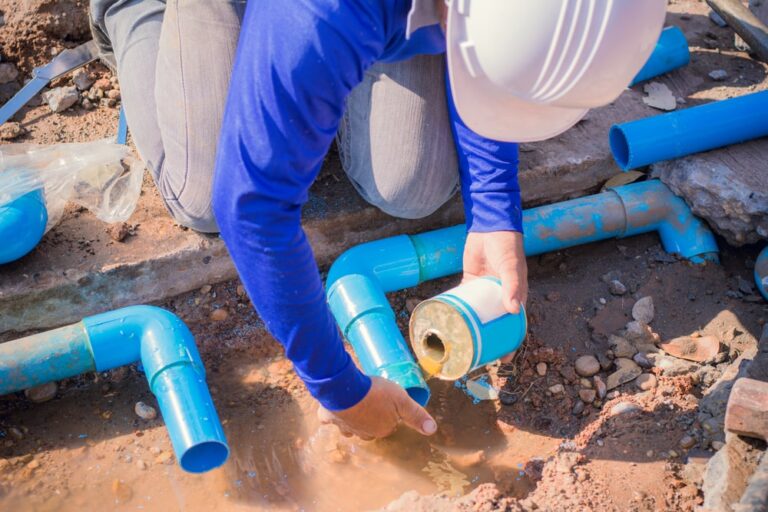
Clean, reliable water is one of those things most people don’t think about until there’s a problem. A strange taste, cloudy glass, stubborn scale around the faucet, or an unpleasant smell can quickly turn an everyday routine into a nuisance. And while buying the first filter you see might seem like the easiest fix, water quality problems are rarely one-size-fits-all.
The right treatment approach depends on what’s actually in the water, how much water a household uses, and what needs to be removed. That’s where professional assessment and modern filtration technology can make a real difference. Instead of guessing, homeowners can identify the underlying issue and choose a system designed around their specific needs.
Why Water Quality Problems Deserve More Attention
Water can look perfectly clear and still contain unwanted minerals, chemicals, sediment, or other contaminants. Hard water, for example, is common in many areas and contains elevated levels of calcium and magnesium. Over time, these minerals can leave deposits on fixtures, reduce the efficiency of water-using appliances, and make cleaning feel like an endless chore.
Then there are problems that are harder to notice. Depending on the local water source, people may be concerned about chlorine, lead, sediment, PFAS, or other substances. Not every home has the same water profile, which is why a solution that works beautifully for one household may do very little for another.
A proper water analysis helps separate real problems from assumptions. It also prevents homeowners from spending money on equipment they simply don’t need.
Modern Treatment Goes Beyond a Basic Filter
Traditional filters still have their place, but today’s water treatment options can be much more sophisticated. Depending on the situation, a system may combine sediment filtration, activated carbon, water softening, reverse osmosis, or other technologies to address different concerns.
These advanced treatment systems are particularly useful when several water quality issues exist at once. For instance, a household might need whole-home filtration for general water quality while also using a point-of-use reverse osmosis system for drinking and cooking water.
The important part is matching technology to the problem. A filter designed to reduce chlorine isn’t necessarily the right answer for hard water. Likewise, a softener isn’t intended to remove every possible contaminant.
Think of it like choosing a pair of shoes. You wouldn’t wear hiking boots to a formal dinner just because they’re good shoes. The technology has to fit the job.
Whole-Home Treatment vs. Point-of-Use Filtration
One decision homeowners often face is whether to treat all the water entering the house or focus only on drinking water.
Whole-home treatment can be a practical choice when water quality concerns affect showers, laundry, appliances, and other fixtures as well as the kitchen. Treating water at the main entry point means the entire home receives the benefit.
Point-of-use systems, meanwhile, are installed where water is consumed, commonly at a kitchen faucet. They can be especially useful when the main concern is drinking and cooking water rather than every water source in the house.
Neither approach is automatically better. It comes down to the water problem, household priorities, available space, and budget. In some cases, combining both approaches makes the most sense.
Installation Quality Matters More Than People Think
A high-quality treatment system can still disappoint if it isn’t installed correctly. Plumbing connections, water pressure, drainage requirements, flow rates, and system placement all matter. Even something as simple as installing equipment in an inconvenient location can make future maintenance unnecessarily frustrating.
Working with a certified team can help ensure the equipment is selected and installed according to the manufacturer’s requirements and the home’s plumbing setup. Professional installers can also explain how the system works, what maintenance it needs, and what homeowners should expect after installation.
That guidance is valuable. Most people don’t want to become part-time water treatment technicians just to keep their kitchen faucet running properly.
Don’t Ignore Maintenance
Even the best treatment equipment needs attention. Filters eventually become saturated, membranes require replacement, and mechanical components may need inspection or servicing.
Skipping routine maintenance can reduce filtration performance and, in some cases, put unnecessary strain on the system. It’s a little like ignoring the oil change light in your car. The vehicle may continue running for a while, but that doesn’t mean everything is fine under the hood.
Homeowners should keep track of filter replacement schedules and follow the manufacturer’s recommendations. If the water’s taste, smell, pressure, or appearance changes unexpectedly, that’s also a good reason to have the system checked.
Think About Long-Term Value, Not Just the Purchase Price
Cost naturally plays a role when choosing water treatment equipment. But focusing only on the initial price can be misleading.
A cheaper system may require frequent filter replacements, have limited capacity, or fail to address the actual water problem. A properly selected system may cost more upfront but provide better efficiency, convenience, and long-term performance.
There can also be indirect savings. Reducing scale buildup may help protect water heaters, dishwashers, washing machines, and plumbing fixtures. Better water quality can make cleaning easier and reduce the frustration of constantly dealing with spots, residue, or unpleasant odors.
The goal isn’t to buy the most expensive equipment available. It’s to invest in equipment that makes sense for the home and continues doing its job reliably.
Start With Testing Instead of Guesswork
Before choosing a treatment system, test the water. This simple step can save a surprising amount of time and money.
A professional water analysis can identify characteristics such as hardness, pH, chlorine levels, sediment, and other potential concerns. For private wells, testing becomes even more important because water conditions can vary considerably and may change over time.
Once the results are available, a qualified professional can recommend a treatment strategy based on actual findings rather than assumptions. That makes the decision much more straightforward.
And honestly, there’s something reassuring about knowing why a system is being installed instead of simply being told that you “need” one.
A Smarter Approach to Better Water
Water treatment isn’t really about buying a piece of equipment and hoping for the best. It’s about understanding the water coming into your home and choosing a solution that fits your household.
The best approach usually starts with testing, followed by thoughtful system selection and professional installation. From whole-home filtration to drinking water purification, today’s options can address a wide range of concerns when they’re properly matched to the situation.
Most importantly, good water treatment should make life easier. You should notice cleaner fixtures, better-tasting water, fewer hassles, and dependable performance—not spend your weekends wondering whether your filter is actually doing anything.
When the system is chosen carefully, installed properly, and maintained consistently, clean water becomes less of a daily concern and more of what it should have been all along: something you can simply rely on.