Category: Environment

  • The Importance of Solar Panel Cleaning for Optimal Energy Efficiency

    The Importance of Solar Panel Cleaning for Optimal Energy Efficiency

    As solar energy becomes increasingly popular for both residential and commercial use, maintaining solar panels in peak condition is essential for ensuring optimal energy production. While installing solar panels is a significant investment in sustainable energy, their efficiency can be compromised if they are not properly maintained. One of the most critical aspects of solar panel upkeep is regular solar panel cleaning.

    For businesses that rely on large-scale solar installations, commercial solar PV panel cleaning is even more important, as it ensures that the energy output remains consistent and efficient. Let’s dive into why solar panel cleaning matters, how often it should be done, and the benefits of hiring professionals for this crucial task.

    Why Solar Panel Cleaning Matters

    Solar panels work by converting sunlight into electricity, and for them to function at their maximum capacity, they need to be exposed to as much sunlight as possible. Dust, dirt, bird droppings, and other debris can accumulate on the surface of the panels over time, reducing their ability to absorb sunlight.

    Without proper solar panel cleaning, this build-up can significantly lower the efficiency of the panels, potentially causing a noticeable drop in energy production. Even a thin layer of dust can block sunlight and hinder performance, which is why regular cleaning is necessary to maintain optimal efficiency.

    The Impact of Dirty Solar Panels

    It’s easy to underestimate the impact that dirty panels can have on energy production. Studies have shown that dirty solar panels can lose anywhere from 15% to 25% of their efficiency, depending on the level of contamination. In commercial settings, this loss can translate to a substantial drop in energy output, which can ultimately affect your bottom line.

    For large solar farms or corporate buildings with solar installations, commercial solar PV panel cleaning becomes an even more critical maintenance task. With multiple panels at play, even a slight decrease in efficiency across the board can result in significant energy loss. Keeping the panels clean ensures that businesses get the most out of their solar energy systems.

    How Often Should You Clean Solar Panels?

    The frequency of solar panel cleaning depends on several factors, including your location, the environment, and the climate. In areas with heavy pollution, construction sites, or agricultural activity, panels may accumulate dirt more quickly and require more frequent cleaning. Similarly, panels in areas with minimal rainfall may need cleaning more often, as rain typically helps to wash away some of the dirt and dust.

    For commercial installations, regular commercial solar PV panel cleaning is recommended as part of a routine maintenance schedule. Many businesses opt for professional cleaning services to ensure that their panels are cleaned thoroughly and safely.

    Benefits of Professional Solar Panel Cleaning Services

    While some homeowners may attempt to clean their solar panels themselves, hiring professionals for solar panel cleaning is highly recommended for several reasons.

    1. Safety

    Cleaning solar panels, especially on rooftops or large commercial installations, can be dangerous without the proper equipment and training. Professionals are trained to work at heights and use specialized equipment to clean panels safely and effectively. For large-scale solar installations, commercial solar PV panel cleaning often involves the use of advanced tools and techniques to reach every panel without risking damage.

    2. Proper Techniques and Tools

    Professional cleaners have the expertise and tools needed to clean solar panels without damaging them. Using the wrong cleaning materials or methods can scratch the surface of the panels or cause other issues that could reduce their efficiency. Professionals use deionized water, soft brushes, and specialized squeegees to remove dirt without harming the panels.

    3. Efficiency

    Professional solar panel cleaning services are efficient and thorough. They ensure that all panels are cleaned properly, including hard-to-reach areas. For large commercial installations, cleaning every panel is critical to maintaining overall energy efficiency. Experts can handle the job quickly and with minimal disruption to your business operations.

    4. Maximizing Energy Production

    Regular cleaning by professionals helps ensure that solar panels are operating at their maximum potential. This is particularly important for businesses, where energy production is directly tied to cost savings. With commercial solar PV panel cleaning, you can avoid energy loss due to dirt build-up and ensure consistent energy output.

    The Environmental Benefits of Clean Solar Panels

    One of the key reasons people and businesses invest in solar energy is to reduce their carbon footprint. However, if solar panels are dirty and not operating efficiently, their environmental benefits are diminished. By maintaining clean panels, you can ensure that your solar energy system is working at its highest capacity, which means more renewable energy and less reliance on traditional power sources.

    For companies with large solar installations, commercial solar PV panel cleaning not only ensures optimal energy output but also enhances the company’s reputation as an environmentally conscious business. Clean panels mean greater energy efficiency, which aligns with sustainability goals and reduces the overall environmental impact.

    When to Hire a Professional Solar Panel Cleaning Service

    If you notice a drop in energy production from your solar system, it may be time to schedule solar panel cleaning. For commercial businesses, it’s wise to set up a regular maintenance schedule to avoid any significant drops in efficiency. Many companies offer affordable maintenance packages that include regular cleaning, ensuring that your solar system stays in peak condition year-round.

    Conclusion: Invest in Solar Panel Cleaning for Maximum Efficiency

    Solar energy is a fantastic investment for both residential and commercial properties, but like any system, it requires regular maintenance to operate at its best. Dust, dirt, and debris can significantly reduce the efficiency of your solar panels, which is why regular solar panel cleaning is so important.

    For businesses, commercial solar PV panel cleaning is a critical part of maintaining energy output and reducing costs. By investing in professional cleaning services, you can maximize your solar panels’ efficiency, ensure safety, and contribute to a more sustainable future. Whether for your home or business, keeping your solar panels clean will help you get the most out of your investment in renewable energy.
  • Promoting Sustainable Urban Living Through Innovative Architecture

    Promoting Sustainable Urban Living Through Innovative Architecture

    Living in bustling cities often means grappling with pollution, limited green spaces, and high energy consumption. But what if our urban environments could be transformed into sustainable havens through innovative architecture? I believe it’s not just a possibility but a necessity for our future.

    Architects and urban planners are now embracing eco-friendly designs that promote green living. From energy-efficient buildings to vertical gardens, these innovations don’t just reduce our carbon footprint—they enhance our quality of life. 

    Let’s explore how sustainable architecture is reshaping our cities and paving the way for a greener tomorrow. For more information on how innovative architecture and urban planning are contributing to sustainable cities, visit sustainable architecture and urban development to discover the latest advancements in eco-friendly design.

    Understanding Sustainable Urban Living

    Sustainable urban living encompasses a lifestyle where individuals and communities adopt practices that reduce environmental impact while enhancing quality of life. This lifestyle integrates eco-friendly habits and innovative solutions, focusing on energy efficiency, waste reduction, and sustainable transportation.

    Sustainable urban living prioritizes efficient resource use to minimize waste. Practices like recycling, composting, and using renewable energy contribute to this goal. Energy-efficient appliances and smart home technologies further reduce consumption.

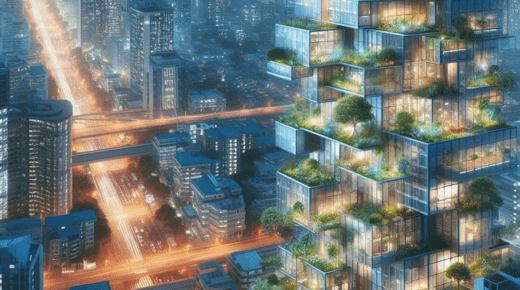
    Urban spaces designed for sustainability offer improved living environments. Green buildings, as an example, incorporate materials that reduce carbon footprints. Vertical gardens and green roofs enhance air quality and provide insulation, cutting down on energy needs.

    Public transportation and alternative mobility options play a crucial role in sustainable urban living. Well-designed transit systems reduce reliance on private vehicles. Bike-sharing programs and pedestrian-friendly pathways encourage eco-friendly commuting.

    Promoting green spaces within urban areas enhances community well-being. Parks, community gardens, and urban forests offer recreational spaces and promote biodiversity. These areas support social interaction and improve mental health.

    By integrating these sustainable practices, cities move towards a balanced coexistence with nature. This transition not only addresses environmental challenges but also fosters healthier, more vibrant urban communities.

    The Role of Architecture in Sustainability

    Innovative architecture plays a critical role in promoting sustainable urban living. It focuses on reducing carbon footprints and enhancing energy efficiency.

    Reducing Carbon Footprints

    Architects design buildings with materials that have low embodied carbon. By using reclaimed wood, recycled steel, and low-carbon concrete, they minimize the environmental impact. Green roofs act as insulators and absorb rainwater, reducing heating and cooling needs. Implementing passive solar design optimizes natural light and heat, reducing reliance on artificial lighting and heating systems.

    Enhancing Energy Efficiency

    Energy-efficient designs integrate advanced insulation and high-performance windows, reducing energy loss. Solar panels and wind turbines generate renewable energy on-site, lessening dependence on non-renewable energy sources. Architects often incorporate smart thermostats and energy management systems to monitor and adjust energy use in real-time. Efficient lighting, like LED bulbs, reduces electricity consumption while providing ample illumination.

    Innovative architecture, focused on sustainability principles, contributes significantly to eco-friendly urban living. By addressing both carbon reduction and energy efficiency, these designs aim to create healthier, more resilient urban environments.

    Innovative Architectural Projects

    Innovative architecture drives sustainable urban living by integrating eco-friendly designs into high-density urban areas.

    Eco-friendly Skyscrapers

    Eco-friendly skyscrapers exemplify this innovation. Designed to maximize energy efficiency, these high-rise buildings often incorporate solar panels, wind turbines, and shading systems that reduce energy demands. For instance, New York’s Bank of America Tower uses advanced systems to lower energy consumption by over 50%. Materials also play a key role, with many structures employing recycled steel and sustainable concrete to reduce their environmental impact. Skyscrapers like the Bosco Verticale in Milan go a step further by including substantial green spaces, which improve air quality and provide natural cooling.

    Green Roofs and Living Walls

    Green roofs and living walls extend sustainability to building exteriors. These features consist of vegetation layers, which help insulate buildings, manage stormwater, and combat urban heat islands. For example, Chicago’s city hall rooftop garden reduces heating and cooling costs while absorbing rainwater. Similarly, living walls, such as the one on the CaixaForum in Madrid, transform building façades into vertical gardens, enhancing urban biodiversity and reducing cooling needs. By integrating these elements, cities can create more resilient and eco-friendly urban landscapes.

    Integrating Technology in Sustainable Architecture

    Innovative architecture plays a pivotal role in promoting sustainable urban living. By integrating advanced technologies, architects create efficient, eco-friendly buildings.

    Smart Building Systems

    Smart building systems enhance energy efficiency and occupant comfort. By using automated controls (e.g., lighting, heating, ventilation, air conditioning), these systems optimize resource use. Sensors and smart meters provide data on energy consumption, enabling real-time adjustments. For example, smart thermostats learn user preferences and adjust temperatures automatically, reducing energy waste. Building Management Systems (BMS) can monitor and control all building operations, ensuring optimal performance. These technologies transform buildings into responsive, efficient structures that support sustainable urban living.

    Renewable Energy Sources

    Integrating renewable energy sources in architecture reduces reliance on fossil fuels. Solar panels, wind turbines, and geothermal systems generate clean energy onsite. Solar panels can be installed on rooftops and façades, converting sunlight into electricity. Small-scale wind turbines, suited for urban environments, harness wind energy even at lower speeds. Geothermal systems utilize underground heat for heating and cooling, providing a constant energy supply. These renewable energy solutions decrease carbon footprints and enhance buildings’ sustainability credentials. For instance, incorporating photovoltaic panels in building designs significantly reduces energy costs and greenhouse gas emissions.

    By leveraging these technologies, innovative architecture drives the transformation toward sustainable, resilient urban environments.

    Community Engagement and Education

    Community engagement and education play crucial roles in promoting sustainable urban living through innovative architecture.

    Raising Awareness

    Raising awareness within communities builds a foundation for sustainable practices. I utilize workshops to discuss the environmental impacts of current urban development. City planners, architects, and residents participate in these informative sessions. Regular community meetings ensure ongoing engagement. Educational campaigns through local media highlight the benefits of green buildings and sustainable living.

    Urban Green Spaces

    Urban green spaces enhance living quality and sustainability. Green roofs, community gardens, and parks provide areas for recreation and biodiversity. These spaces reduce urban heat islands and improve air quality. Involving community members in the planning and maintenance of these spaces fosters ownership and responsibility. Workshops on urban gardening and eco-friendly landscaping techniques further educate and engage residents.

    Challenges and Solutions

    Promoting sustainable urban living involves overcoming numerous challenges through effective solutions.

    Overcoming Financial Barriers

    Initial costs for sustainable building materials and technologies can be high. Innovative financing options like green bonds and public-private partnerships can help mitigate these costs. Several cities have adopted this approach, showing significant savings over time. Real estate developers can also offer sustainable options as premium features, attracting environmentally conscious buyers.

    Policy and Regulation Support

    Supportive policies and regulations play a crucial role in promoting sustainable urban living. Governments can offer tax incentives for green buildings, making sustainable choices more economically viable. Building codes should mandate energy-efficient designs and renewable energy integration. Cities like New York and San Francisco have implemented stringent sustainability standards, serving as models for other urban areas.