There’s something comforting about a cold glass of fresh water. No fancy packaging, no complicated ingredients—just water when you’re thirsty. Yet many homeowners are paying more attention to where their drinking water comes from and how it can be improved before it reaches the glass.
That interest has led to growing conversations around filtration, reverse osmosis, and alkaline water. These technologies and concepts are often discussed together, but they don’t necessarily serve the same purpose.
One focuses primarily on filtration and contaminant reduction, while the other is generally associated with changing water chemistry and pH. Understanding that difference can help you avoid buying equipment based on marketing alone.
Why Drinking Water Quality Deserves Attention
Municipal water supplies are treated and monitored, but the water arriving at your home can still have characteristics you don’t particularly enjoy. Chlorine taste, mineral content, sediment, and plumbing-related issues can influence how water tastes and behaves.
Private wells can present different challenges. Groundwater may contain naturally occurring minerals, metals, or other substances depending on local geology.
The important thing is not to assume your water is either “perfect” or “bad.” Water quality exists on a much wider spectrum, and testing can help you understand where your household actually falls.
What Reverse Osmosis Really Does
One of the most widely recognized drinking-water technologies is reverse osmosis. Instead of simply trapping larger particles, RO systems push water through a semipermeable membrane.
The membrane can reduce many dissolved substances, depending on the system and the quality of the membrane. That’s why RO is commonly used when homeowners want a higher level of treatment for drinking and cooking water.
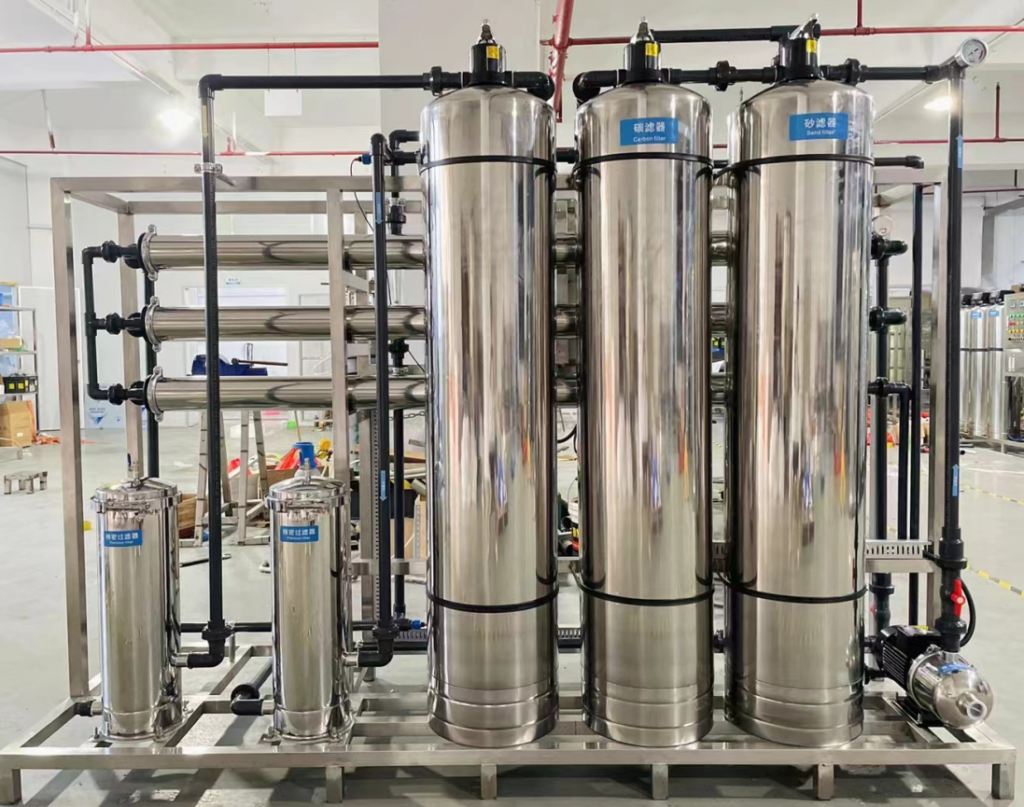
Most household RO systems also use additional filtration stages. Carbon filters may be used before or after the membrane to improve taste and protect components.
It’s a multi-stage process, and that’s part of its appeal.
Is Reverse Osmosis Right for Every Home?
Not necessarily.
RO can be excellent for certain water-quality concerns, but it isn’t automatically the best choice for every household. The system requires filter and membrane replacement, and traditional RO units may also send some water to the drain during operation.
For someone whose main concern is chlorine taste, a good carbon filter might be enough. If dissolved substances are the bigger concern, RO may make more sense.
This is why testing your water before purchasing equipment is such a useful step.
Where Alkaline Water Comes In
Alkaline water is water with a pH above neutral. Some systems produce it through electrolysis, while commercially available products may simply have minerals added that increase the pH.
Many people prefer its taste, and alkaline-water systems have become popular among homeowners interested in wellness and alternative drinking-water technologies.
However, it’s important to separate taste preference from medical claims. The human body regulates its internal pH very carefully, and drinking alkaline water isn’t a substitute for a healthy diet, medical treatment, or professional healthcare advice.
Enjoying the water is one thing. Expecting it to solve unrelated health problems is another.
Can You Combine RO and Alkaline Water?
Yes, and some systems are specifically designed around this combination.
A typical setup may use reverse osmosis first to reduce unwanted dissolved substances, followed by an alkaline or remineralization stage. The idea is to provide highly filtered water and then adjust its mineral content or pH.
This can be appealing to people who like the taste of alkaline water but also want extensive filtration.
Still, the exact result depends on the equipment, source water, filters, and maintenance. Two systems advertised with similar features can perform quite differently.
Taste Matters More Than You Might Think
People often focus on technical specifications and forget one simple fact: if the water doesn’t taste good, they may drink less of it.
Taste is influenced by minerals, chlorine, temperature, dissolved gases, and other factors. Carbon filtration can reduce certain tastes and odors, while RO can significantly change the mineral profile of water.
Some people prefer the clean, light taste of highly filtered water. Others prefer water with more mineral character.
There’s no universal winner here. Your preference matters.
Don’t Ignore the Importance of Maintenance
A filtration system is only as good as the attention it receives.
Filters have limited lifespans. RO membranes need replacement eventually. Storage tanks and tubing may also require inspection or cleaning depending on the system.
Skipping maintenance can affect both water quality and equipment performance. It can also turn what looked like an affordable investment into an expensive headache.
Before buying a system, find out exactly what maintenance involves. Ask about replacement costs, service intervals, filter availability, and installation requirements.
A simple system that’s properly maintained will usually outperform a sophisticated system that’s neglected.
What Does “Maximum Purity and Taste” Really Mean?
Marketing language can be tempting, especially phrases promising maximum purity and taste. But “maximum” isn’t a universal technical standard.
Instead of focusing on broad promises, look for specific performance information. What substances does the system reduce? Under what conditions? Has the product been independently tested or certified for those claims?
The answers matter much more than an impressive slogan.
Good water treatment should be measurable, understandable, and appropriate for the source water.
Finding the Right Balance for Your Home
The best drinking-water system isn’t necessarily the most advanced one. It’s the system that addresses your actual water-quality concerns while fitting your budget, kitchen space, lifestyle, and maintenance habits.
Start with water testing if you’re unsure what needs attention. From there, compare carbon filtration, reverse osmosis, remineralization, alkaline systems, or combinations of technologies.
And remember that drinking water doesn’t need to become complicated. You don’t need a countertop laboratory to make a sensible choice.
Whether you prefer mineral-rich water, highly filtered water, or something in between, the goal is the same: water you feel comfortable drinking every day.
That’s really the heart of good water treatment. Understand your water first, choose technology for a reason, maintain the equipment, and don’t let clever marketing make the decision for you.