Salt Lake City exterminators
Salt Lake City homeowners with flood-irrigated yards are left grappling with a frustrating reality: lush, green swaths of lawn that turn into unintentional mosquito breeding grounds. The system that keeps your grass vibrant and green during the hot, dry months of Utah also creates the stagnant water that mosquitoes crave.
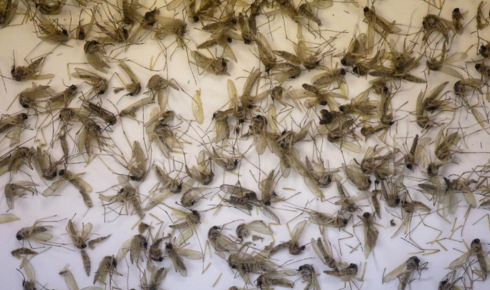
These pests not only buzz around your evening barbecue – they reproduce by the thousands in the puddles and depressions that remain after every watering cycle. Over the years, Salt Lake County has recorded an average of 15-20 West Nile Virus cases annually, so mosquito control is about more than that.
If you are still facing mosquito problems despite your best efforts, Salt Lake City exterminators can evaluate the types of water management challenges at your property.
How Flood Irrigation Creates Perfect Mosquito Conditions in Salt Lake City
Flood irrigation has long been a staple of plant vitality, but has also transformed houses into prime mosquito habitat. Water flowing across your lawn settles into low areas, forming small puddles that take 3-5 days to dry, just enough time for mosquitoes to lay eggs and begin their life cycle. It also perfectly coincides with the mosquito breeding season, which runs from April through October in Salt Lake City.
With this city’s semi-arid climate, these water sources are like oases for female mosquitoes seeking a place to lay their eggs. Water as small as a bottle cap can hold larvae, so picture a couple of inches of standing water in the corner of your yard turning into potentially hundreds of adults in one week.
Why SLC’s Soil Type Makes the Problem Worse
The abundant clay in the soil throughout Salt Lake City makes it especially difficult for water to drain. Residential properties in the Wasatch Front have been shown to have clay content well over 40%, resulting in slow percolation of water through the ground. Instead, it rests on the ground, collecting in depressions in your lawn or where soil has been compacted by foot traffic. Like a bowl, this clay will hold water well after you shut off the irrigation. Compacted clay also causes bumps in your yard, creating natural depressions where water collects, forming mini mosquito hatcheries after every flood cycle.
Subtle Signs Mosquito Larvae Are Developing in the Yard
The majority of homeowners are unable to detect the initial signs of a mosquito breeding ground because of their irrigation practices. Here is what to watch for:
- Wiggling in puddles: Standing water should be monitored 2-3 days after irrigation. Mosquito larvae appear as small, dark commas that writhe when disturbed.
- Persistent damp patches: Areas that remain moist for more than 2 days after watering are likely a potential breeding ground
- Increased adult activity at dusk: But when you notice that more mosquitoes swarm around your yard at sunset, it’s because their breeding site is nearby
- Water discoloration: Brownish water or greenish scum in stagnant water often indicates the presence of larvae.
- Bird activity: Swallows and other insect-eating birds flying over certain parts of the yard could be eating emerging adult mosquitoes
Pest Control Support That Focuses on Water Management First
Flood-irrigated properties require a proper understanding of the relevance of water flow to pest breeding potential in effective mosquito control. Saela Pest Control assesses Salt Lake City mosquito issues by examining water flow through your property during irrigation cycles. They pinpoint the trouble spots where water sits stagnant, study soil drainage, and suggest simple changes to your watering routine or yard slope.
They collaborate with homeowners to design a treatment that targets larvae before they mature, given Utah’s particular issues with clay soil and a flood-irrigation system. This method reduces mosquito populations in harmony with the irrigation systems that keep Salt Lake City’s urban landscape verdant.