Good drinking water should complement your daily routine, not complicate it. Whether you’re brewing coffee before work, preparing dinner for your family, or filling reusable water bottles, having convenient access to pleasant-tasting water makes a difference.
Unfortunately, unwanted flavors, dissolved minerals, and other water quality concerns can leave homeowners dissatisfied with their tap water. Purchasing bottled water might offer temporary convenience, but the recurring expense and accumulating plastic packaging can become frustrating.
For homeowners in Manassas and throughout Northern Virginia, reverse osmosis technology offers a practical alternative to traditional drinking water filtration.
By selecting equipment based on existing water conditions and household consumption, families can enjoy conveniently treated water without constantly relying on packaged alternatives. Understanding how this technology works is the first step toward making a worthwhile investment.
Discover How Reverse Osmosis Technology Improves Drinking Water
Ordinary filtration equipment can address certain water quality concerns, but many dissolved substances require more specialized treatment. That’s where membrane-based filtration becomes particularly useful.
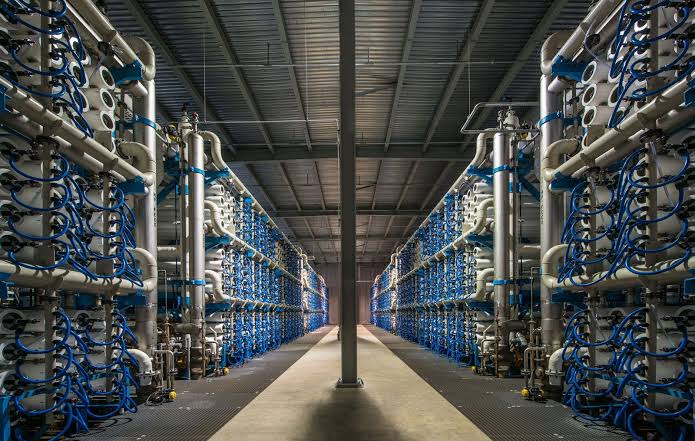
Modern reverse osmosis systems use a semipermeable membrane and water pressure to reduce many dissolved minerals, salts, and selected contaminants that conventional sediment filters cannot effectively capture.
During treatment, incoming water passes through preliminary filtration components before reaching the membrane. Many dissolved substances are rejected and carried away through a separate wastewater stream, while treated water becomes available for household consumption.
Residential equipment may also incorporate activated carbon filtration to address certain unwanted tastes and odors.
Several practical advantages of appropriately selected reverse osmosis equipment include:
- Reduction of many dissolved salts and minerals.
- Improved drinking water taste when unwanted substances are reduced.
- Convenient access to treated cooking water.
- Reduced dependence on disposable bottled water.
- Additional treatment for selected contaminants.
- Integration with existing residential plumbing.
Imagine preparing your favorite morning beverage without an unfamiliar aftertaste interfering with its flavor. Although this might seem like a minor improvement, it’s something you could appreciate every day.
However, reverse osmosis performance varies according to equipment design, incoming water conditions, and maintenance practices.
Homeowners should examine independently certified contaminant reduction capabilities before selecting equipment. No filtration system should be assumed to remove every potentially harmful substance without appropriate supporting evidence.
Enjoy Convenient Drinking Water Treatment Right Where You Need It
Not every household requires extensive filtration throughout its entire plumbing system. Sometimes, the primary concern involves water used specifically for drinking, cooking, and beverage preparation.
Installing point-of-use drinking water treatment allows homeowners to concentrate filtration efforts at a designated location, typically the kitchen sink, rather than treating every gallon entering the property.
Under-sink reverse osmosis equipment is particularly convenient because most treatment components remain inside kitchen cabinetry. Filtered water is generally delivered through a dedicated faucet, making it easily accessible whenever needed.
Think about your family’s daily routine. You might prepare breakfast, fill several water bottles, cook pasta, and brew coffee throughout the day.
A properly selected filtration system can support these activities without requiring repeated trips to purchase bottled water or constantly refill a filtration pitcher.
Another advantage involves flexibility. Homeowners who already have centralized water softening or whole-house filtration may still benefit from dedicated drinking water treatment.
Before installation, a qualified professional can evaluate cabinet space, incoming water pressure, drainage arrangements, and daily consumption requirements.
Depending on household demand, homeowners may choose equipment incorporating a storage tank or explore suitable tankless configurations.
Professional installation helps ensure that plumbing connections are appropriately secured and treatment components remain accessible for future maintenance.
The objective is to create a convenient drinking water arrangement that fits naturally into your kitchen and lifestyle.
Explore Different Reverse Osmosis Equipment Configurations
Shopping for drinking water filtration equipment can feel overwhelming when numerous products advertise different production capacities, filtration stages, and advanced features.
Comparing available reverse osmosis filtration options helps Manassas homeowners select equipment according to measurable water conditions, available installation space, consumption patterns, and financial priorities.
Traditional residential configurations commonly incorporate preliminary sediment filters, activated carbon cartridges, a reverse osmosis membrane, a storage tank, and final-stage filtration.
Tankless equipment offers an alternative arrangement that produces treated water on demand, depending on its design and operating requirements.
Some models may also incorporate remineralization components intended to adjust the mineral content and taste of treated water.
When comparing equipment, consider how your household actually uses drinking water.
A family with several children who regularly fill reusable bottles may require greater production capacity than a smaller household that primarily uses filtered water for cooking and beverages.
Water recovery efficiency also deserves attention. Reverse osmosis produces a rejected water stream, and the volume varies according to equipment design and operating conditions.
Homeowners should compare installation expenses, replacement cartridge availability, membrane servicing requirements, warranty coverage, and independently verified performance claims.
More filtration stages don’t automatically translate into better treatment.
The most suitable equipment is the system that addresses your specific concerns while remaining practical, efficient, and affordable to maintain.
Understand Your Water Conditions Before Installing Filtration Equipment
Water characteristics can differ between properties throughout Manassas and Northern Virginia.
Municipal water customers may experience concerns involving residual disinfectants or dissolved minerals. Private well owners might encounter elevated iron concentrations, excessive hardness, sediment, or other groundwater-related challenges.
Professional testing helps identify relevant water characteristics before treatment equipment is purchased.
Certain incoming water conditions may require additional pretreatment to protect membrane components and maintain satisfactory performance.
For example, excessive hardness can contribute to membrane scaling, while suspended particles may increase the demand on preliminary filters.
Private well owners should also arrange appropriate laboratory testing for bacteria, nitrates, and other relevant contaminants according to public health recommendations.
Remember that pleasant-tasting water and low total dissolved solids readings don’t automatically establish drinking water safety.
Understanding your existing water conditions helps prevent unnecessary purchases and disappointing filtration results.
Reduce Your Dependence on Bottled Drinking Water
Regularly purchasing bottled water can become a considerable household expense, particularly for larger families.
Residential drinking water filtration offers a convenient alternative that may reduce recurring grocery costs and dependence on disposable plastic packaging.
Having treated water available directly from a kitchen faucet also eliminates the inconvenience of carrying heavy water packages and finding additional storage space.
However, homeowners should compare potential savings against equipment installation, replacement filters, membrane servicing, and operating expenses.
Actual financial and environmental benefits depend on household consumption, equipment efficiency, and maintenance practices.
Keep Your Reverse Osmosis Equipment Performing Efficiently
Regular maintenance plays an important role in preserving filtration effectiveness.
Replace cartridges and membranes according to manufacturer recommendations, follow appropriate sanitation procedures, and monitor unexpected changes in water taste, production rate, or faucet flow.
Keeping organized maintenance records makes replacement schedules easier to anticipate.
Periodic follow-up testing can also help verify whether installed equipment continues addressing its intended treatment objectives.
A manageable maintenance routine helps protect your investment and supports dependable everyday performance.
Make Better Drinking Water Part of Your Manassas Home
Improving your drinking water shouldn’t require complicated routines or constant purchases of packaged alternatives.
Consider contacting a qualified water treatment professional serving Manassas and Northern Virginia to discuss your water conditions and explore personalized filtration recommendations.
With reliable testing, thoughtful equipment selection, professional installation, and consistent maintenance, homeowners can enjoy convenient access to appropriately treated drinking water.
From preparing homemade meals to enjoying a refreshing glass of water after a busy day, the right filtration arrangement can deliver lasting convenience, enjoyable taste, and practical value to your household.