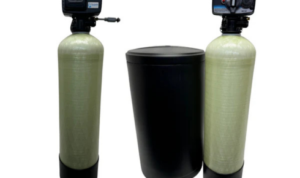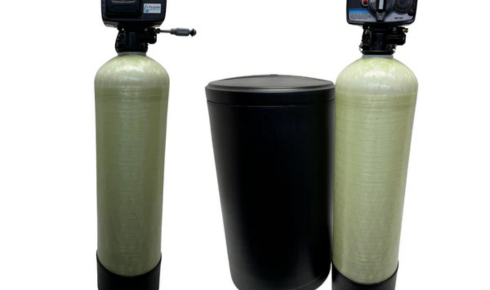
water softener sanitizer
Most people assume that once a water filtration system is installed, the job is done. Clean water flows, the taste improves, and life moves on. But here’s the quiet truth many homeowners overlook: even the best filtration systems need proper sanitation from time to time.
Think about it for a second. Water systems are constantly exposed to moisture, minerals, and microscopic organisms. Over time, that environment can allow bacteria or biofilm to develop inside tanks, membranes, and plumbing lines. It doesn’t mean your system is faulty—it simply means it’s doing its job in the real world, where maintenance matters.
And honestly, this topic rarely gets the attention it deserves.
The Hidden Side of Water Filtration Systems
Water filtration systems work tirelessly behind the scenes. Whether it’s a whole-home softener or an under-sink purifier, these systems remove minerals, contaminants, and sediments from your water supply. But while they remove unwanted elements from incoming water, the internal components themselves can still become breeding grounds for microbes if neglected.
This is especially true in environments where minerals, heat, and moisture combine. Those conditions are perfect for bacterial growth. Over time, even small traces of organic matter can accumulate in filters, tanks, or tubing.
That’s where routine sanitation comes into play. Using a water softener sanitizer ensures that the internal components of the softening system remain hygienic, preventing unwanted microbial growth that might compromise water quality.
It’s a bit like cleaning a coffee machine. The machine may brew great coffee daily, but eventually, the internal parts need a deep clean. Water systems aren’t much different.
Why Reverse Osmosis Systems Also Need Attention
Reverse osmosis systems are incredibly effective. They remove heavy metals, dissolved salts, chemicals, and other impurities using a semi-permeable membrane. Many homeowners trust them because they produce water that tastes crisp and clean.
Yet even these sophisticated systems aren’t immune to internal contamination.
The storage tank and tubing in a reverse osmosis system can slowly accumulate bacteria if left unchecked. This doesn’t mean the filtration membrane has failed—it simply means maintenance hasn’t kept pace with time.
Periodic sanitization using a reverse osmosis unit sanitizer can help eliminate hidden microbial buildup and ensure the system continues producing high-quality drinking water.
Interestingly, many technicians recommend sanitizing the system during routine filter replacements. It’s a simple step, but it makes a noticeable difference in long-term performance.
And frankly, it’s one of those small habits that saves bigger problems later.
The Real Role of Bacteria Control in Water Systems
Let’s talk about the word that tends to make people uncomfortable: bacteria.
Not all bacteria are harmful, of course. In fact, many are harmless or even beneficial in natural ecosystems. But inside a household water treatment system, bacterial buildup can cause unpleasant odors, slime formation, or subtle changes in taste.
This is why consistent bacteria control is such a critical part of water treatment maintenance.
Biofilm—a thin layer of microorganisms—can gradually form on internal surfaces of tanks or filters. Once it develops, it becomes harder to remove through simple flushing. Proper sanitization disrupts this biofilm and helps maintain a clean internal environment.
It’s less about panic and more about prevention.
In practical terms, maintaining bacteria control ensures that the system designed to protect your water doesn’t unintentionally become a place where microbes settle in.
How Often Should You Sanitize a Water System?
There isn’t a single universal answer, which might frustrate people looking for a neat checklist. The truth is that sanitization frequency depends on several factors:
- Water source (municipal vs. well water)
- Mineral content and hardness
- Household water usage
- System type and size
- Environmental conditions
For many households, sanitizing once or twice a year is sufficient. Others—especially those using well water—may benefit from more frequent maintenance.
A good rule of thumb? If you’re replacing filters, servicing your softener, or noticing subtle changes in water taste or smell, it’s probably a good time to sanitize the system as well.
Small routines like this tend to keep everything running smoothly.
Signs Your System Might Need Sanitization
Water systems rarely shout when something’s wrong. Instead, they whisper through small changes.
You might notice a slightly unusual taste. Perhaps there’s a faint odor you can’t quite identify. Sometimes water pressure changes or filters seem to clog faster than usual.
These clues don’t necessarily mean the system has failed—but they often suggest that maintenance is overdue.
Sanitizing the system can restore freshness and help eliminate lingering buildup that may have developed over time.
It’s surprisingly satisfying, actually, when a quick maintenance step brings everything back to normal.
A Simple Habit That Protects Your Water
At the end of the day, water treatment systems are long-term investments. They protect your health, improve water taste, and extend the life of plumbing and appliances. But like any piece of equipment, they work best when cared for properly.
Regular sanitization isn’t complicated, expensive, or time-consuming. Yet it plays a quiet, essential role in keeping your filtration system functioning as intended.
Sometimes the most important maintenance tasks are the ones we rarely think about. And when it comes to water quality, a little attention behind the scenes goes a long way.
Clean water doesn’t just come from filtration—it comes from systems that are clean themselves.