complex GI procedure insights
There’s a point—somewhere between ignoring symptoms and actually doing something about them—where things start to feel real. Maybe it’s persistent discomfort, maybe it’s a diagnosis you weren’t expecting, or maybe it’s just that quiet realization that this isn’t going away on its own.
And then, almost out of nowhere, the word procedure enters the conversation.
Not exactly comforting, right?
But here’s the part that doesn’t get talked about enough: the way gastrointestinal care is handled today is far more thoughtful, more precise, and honestly, more patient-friendly than most people assume.
It’s Not Just About Fixing a Problem
When doctors begin discussing procedures, it’s rarely a sudden leap. There’s usually a build-up—tests, evaluations, maybe a few treatment attempts that didn’t quite do the trick.
By the time surgery or intervention is on the table, there’s already a clearer understanding of what’s happening.
That’s where complex GI procedure insights start to matter. It’s not just about what needs to be done—it’s about why, how, and what comes next. Patients today are given more context than ever before, helping them understand their condition in a way that feels less overwhelming.
And when you understand something, it becomes a little less intimidating.
Technology Has Changed the Tone of Surgery
Let’s be honest—most people still imagine surgery as something intense and disruptive. Long incisions, extended recovery, a lot of uncertainty.
But that image is starting to fade.
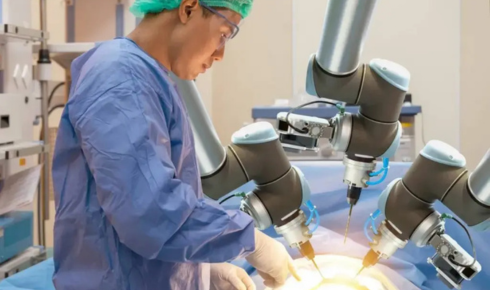
Modern operating rooms are equipped with tools that allow surgeons to work with incredible precision. One of the most talked-about advancements is the use of robotic systems—not as replacements for surgeons, but as extensions of their skill.
The robotic technology advantage lies in that extra layer of control. Movements can be more refined, visibility is enhanced, and delicate areas can be handled with greater care.
For patients, it often means less strain on the body during the procedure and a smoother recovery afterward.
It’s not magic—but it’s progress you can feel.
The Experience Feels More Guided Now
One thing that stands out in modern GI care is how structured everything feels.
There’s a roadmap. From diagnosis to treatment to recovery, each step is explained and planned. You’re not left wondering what’s happening or why.
Consultations are more detailed. Questions are encouraged. You’re part of the process, not just a passenger.
And that changes the entire experience.
Because when you feel informed, you feel more in control—even in situations that might otherwise feel overwhelming.
Recovery Isn’t Just About Healing—It’s About Support
Recovery used to be something you simply endured. Rest, wait, hope for the best.
Now, it’s more active—and more supported.
There’s a growing focus on patient recovery support, which goes beyond just medical instructions. It includes guidance on nutrition, movement, follow-up care, and even emotional well-being.
You’re not just sent home with a list of do’s and don’ts. You’re given a plan. A sense of direction.
And that can make a big difference in how recovery feels.
The Emotional Side of It All
This is something that often gets overlooked.
Digestive issues can be frustrating, even isolating. They affect daily routines in ways that aren’t always visible to others. And when procedures become part of the picture, those feelings can intensify.
There’s uncertainty, maybe a bit of fear, sometimes even embarrassment.
What’s encouraging is that healthcare providers are starting to recognize this more openly. There’s more emphasis on communication, on making sure patients feel heard and understood.
Because healing isn’t just physical—it’s emotional too.
Not Every Journey Looks the Same
It’s important to remember that every patient’s experience is different.
Some procedures are relatively straightforward, with quick recoveries. Others are more complex, requiring more time and care. Factors like overall health, the specific condition, and how the body responds all play a role.
And that’s okay.
The goal isn’t to compare your experience to someone else’s—it’s to focus on what you need to move forward.
Making Decisions Without Feeling Rushed
One of the most empowering aspects of modern care is the ability to take your time.
You don’t have to make decisions on the spot. You can ask questions, seek second opinions, and really understand your options before moving forward.
And that matters.
Because when you feel confident in your decision, everything else becomes a little easier to handle.
A Quiet Shift in Perspective
What’s interesting about all of this is how it’s changing the way people think about GI procedures.
They’re no longer seen as a last resort or something to fear at all costs. They’re becoming part of a broader approach to health—one that’s precise, supportive, and increasingly patient-focused.
That doesn’t make them easy. But it makes them more approachable.
And sometimes, that’s all you need to take the first step.
Final Thoughts
Digestive health issues can be complex, and the idea of a procedure can feel daunting. That’s completely normal.
But the reality of modern GI care is far more reassuring than many people expect.
With better technology, clearer communication, and stronger support systems, the experience is becoming less overwhelming—and more manageable.
If you’re facing this kind of decision, give yourself time. Learn what you can. Ask questions.
Because understanding your path forward doesn’t just inform your choices—it gives you a sense of control.
And in moments like these, that sense of control can make all the difference.