Water is one of those things we tend to take for granted. Turn on the tap, fill a glass, take a shower, move on with the day. But when the water suddenly looks cloudy, leaves marks around the sink, or develops an odd smell, it’s hard not to wonder what’s going on.
Changes in water quality can have several causes, from naturally occurring minerals to problems with plumbing, wells, storage tanks, or filtration equipment. Some issues are mostly cosmetic, while others deserve closer attention. Knowing the difference can save you money, protect your plumbing, and give you greater confidence about the water your household uses every day.
Why Water Stains Appear Around the Home
Brown, orange, yellow, or even black marks around faucets and fixtures are surprisingly common. In many homes, minerals in the water are responsible.
Iron is a frequent culprit. When iron comes into contact with oxygen, it can oxidize and leave reddish-brown marks on sinks, tubs, toilets, and laundry. If you’ve ever scrubbed a bathtub only to watch the stain return a few days later, the problem may not be your cleaning routine at all.
The same goes for rust or sulfur stains. Sulfur-related compounds can sometimes create dark discoloration or contribute to an unpleasant rotten-egg odor, particularly in private well water. These problems aren’t always dangerous by themselves, but they can be persistent and frustrating.
Hard water can add another layer to the problem. Calcium and magnesium may leave a white, chalky residue on showerheads, faucets, glass doors, and appliances. Over time, mineral deposits can become more than an eyesore. They may interfere with water flow and shorten the life of certain fixtures.
Cloudy Water Doesn’t Always Mean Dirty Water
Clear water feels reassuring. Cloudy water? Not so much.
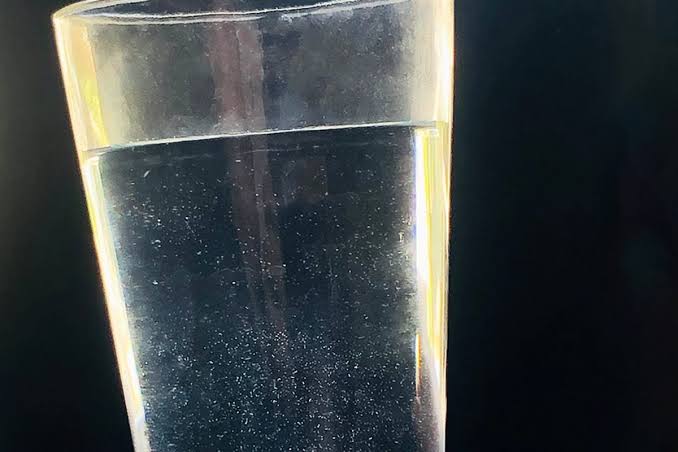
Still, cloudy water isn’t automatically a sign that something is seriously wrong. Tiny air bubbles can make freshly drawn tap water appear milky or hazy. Usually, the water becomes clear after sitting in a glass for a short time.
But persistent cloudiness deserves a closer look, especially when it comes with particles, unusual odors, discoloration, or changes in taste. In some situations, cloudy or sediment-filled water may point to sediment entering the water supply, disturbed plumbing, an aging well, or a filtration system that needs maintenance.
Sediment can include sand, silt, clay, rust particles, or other material carried through the plumbing. Apart from affecting appearance, excessive sediment can clog faucet aerators, damage appliances, and place additional strain on filters.
If the problem appears suddenly, it’s worth paying attention to when it started. A recent plumbing repair, water main disturbance, heavy rainfall, or well maintenance can sometimes explain a temporary change.
What Could Be Living in Your Water?
Minerals aren’t the only thing homeowners need to think about. Water can also contain microorganisms and other contaminants, depending on its source and the condition of the plumbing system.
Municipal water supplies are treated and monitored, but that doesn’t mean every household’s water is identical by the time it reaches the tap. Old plumbing, damaged pipes, storage tanks, and other factors can affect water quality.
Private wells require even more attention because homeowners are generally responsible for testing and maintaining their own water systems. Bacteria can enter a well through surface water, damaged components, or other pathways. That’s why routine testing matters, particularly after flooding, repairs, or changes in taste, odor, or appearance.
The presence of bacteria & contaminants isn’t something you can reliably identify just by looking at a glass of water. Some unwanted substances have no obvious smell, taste, or color. Testing is therefore much more useful than simply relying on appearance.
Hard Water Can Affect More Than Your Skin
If your faucets develop white scale or your soap never seems to rinse properly, hard water could be part of the story.
Hard water contains elevated levels of minerals, mainly calcium and magnesium. These minerals aren’t generally considered harmful at typical levels, but they can create plenty of household headaches.
Scale may build up inside water heaters, pipes, coffee makers, dishwashers, and other appliances. Water heaters are particularly vulnerable because mineral deposits can accumulate around heating elements and reduce efficiency.
You may also notice that clothes feel stiff after washing, glasses come out of the dishwasher with spots, or your skin feels dry after a shower. None of these signs proves that you have hard water, but together they can make a strong case for getting the water tested.
A properly selected water softener can reduce hardness and help protect plumbing and appliances. The key word is “properly.” A softener isn’t a universal solution for every water problem, and installing one without understanding the water chemistry can be an expensive mistake.
Why Testing Comes Before Treatment
It’s tempting to buy a filter based on a symptom. Brown water? Get an iron filter. Bad smell? Buy an odor filter. Hard water? Install a softener.
Sometimes that works. Sometimes it doesn’t.
Water treatment should ideally begin with testing. A good water analysis can identify factors such as hardness, iron, manganese, pH, sediment, and certain microbial or chemical concerns. Once you know what you’re dealing with, you can choose equipment designed for that particular problem.
This is especially important for well owners. Well water can vary considerably from one property to another, even between neighboring homes. A treatment system that works beautifully for one household may be completely unnecessary—or inadequate—for another.
Testing also prevents the classic “replace one problem with another” situation. For example, some treatment systems can alter water chemistry, increase maintenance requirements, or require additional filtration. Understanding the complete picture helps you avoid surprises later.
Choosing the Right Filtration Approach
There isn’t one magic filter for every home.
Sediment filters are useful when sand, dirt, rust particles, or other suspended material are present. Activated carbon filtration can help reduce chlorine and improve taste and odor. Specialized systems may be used for iron, sulfur, certain chemicals, or other specific contaminants.
Reverse osmosis systems are often used at a drinking-water tap when homeowners want additional treatment for dissolved contaminants. Whole-house systems, meanwhile, treat water before it travels throughout the plumbing.
The best option depends on the source water, the contaminants involved, household water usage, and maintenance expectations. Price matters, of course, but buying the cheapest system isn’t necessarily economical if it doesn’t solve the actual problem.
Small Warning Signs Are Worth Noticing
Water problems rarely arrive with a dramatic announcement. More often, they show up as little annoyances—a stain that keeps returning, a strange smell after running the tap, a filter that clogs unusually quickly, or water that suddenly looks different.
Those signs shouldn’t automatically cause panic. But they shouldn’t be ignored either.
Pay attention to changes, especially if they persist. Check filters, inspect visible plumbing, and consider professional water testing when the cause isn’t obvious. If you use well water, regular testing should be part of routine home maintenance rather than something you only do when there’s a problem.
Clean, dependable water makes everyday life easier in ways we don’t always notice until something changes. A little investigation at the first sign of trouble can often prevent a much bigger headache later.
In the end, the goal isn’t simply to make water look better. It’s to understand what’s actually in it and choose a treatment approach that makes sense for your home, your plumbing, and the people who rely on that water every day.