There’s something reassuring about turning on the tap and not having to think about it. The water flows, it feels right, and your day moves on without interruption.
But that kind of reliability doesn’t just happen on its own.
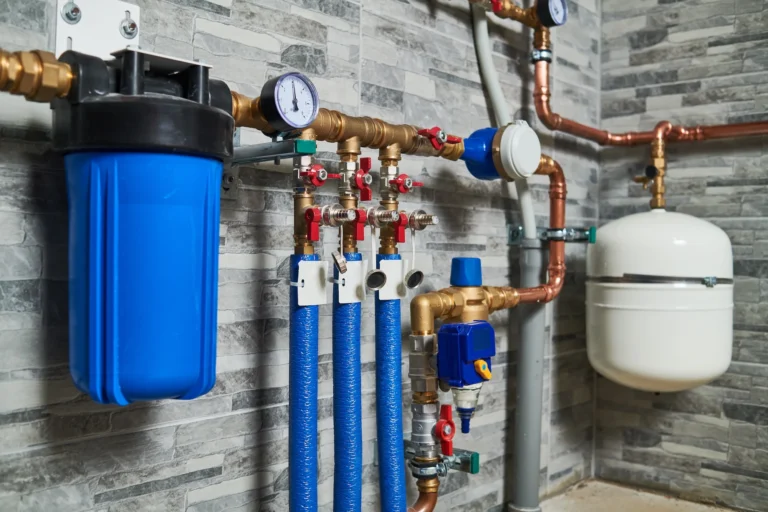
Behind the scenes, your home’s water system is doing a lot of work—filters catching impurities, softeners balancing minerals, pipes carrying everything where it needs to go. And like anything that works this consistently, it benefits from a little care.
Not complicated care. Not time-consuming routines. Just small, thoughtful habits that keep everything in sync.
Why Longevity Starts With Attention
Most systems don’t fail because they’re poorly built. They fail because they’re overlooked.
It’s easy to forget about something that’s not visible. Water systems are tucked away—under sinks, in basements, behind walls. Out of sight, out of mind.
Until something changes.
Maybe the water pressure dips slightly. Maybe your dishes don’t look as clear, or your shower feels a bit different. These aren’t urgent problems, but they’re early signals.
And if you catch them early, they’re usually easy to address.
That’s really what homeowner water care comes down to—paying attention before small issues turn into bigger ones.
The Value of Doing a Little, Regularly
There’s a tendency to think maintenance has to be a big task. Something you block out time for, something you put off until the weekend.
But with water systems, consistency matters more than effort.
Replacing filters on time. Checking for buildup. Noticing changes in taste or flow. These small actions don’t take much, but they keep everything running smoothly.
And over time, they become second nature.
Understanding What Your System Needs
Every home is a little different.
Some have hard water that requires softening. Others rely on filtration to improve taste or remove certain elements. The setup varies, but the principle stays the same—your system works best when it’s maintained according to its needs.
That’s where following maintenance best practices makes a real difference.
It’s not about doing more—it’s about doing the right things at the right time.
Knowing when to replace a filter. Understanding how often your softener needs attention. Keeping an eye on how your system performs.
These aren’t complicated steps, but they’re effective.
The Hidden Cost of Neglect
When maintenance is skipped, the effects don’t show up immediately.
They build.
A filter that isn’t replaced starts to clog, reducing water flow. A softener that isn’t maintained loses efficiency, allowing minerals to accumulate. Over time, these small issues begin to affect other parts of the system.
And suddenly, what could have been a simple fix becomes a more involved repair.
That’s why prevention matters.
Because it’s always easier—and less expensive—to maintain something than to fix it after it’s worn down.
Extending the Life of What You Already Have
One of the biggest advantages of regular care is longevity.
When your system is maintained properly, it doesn’t just perform better—it lasts longer.
That’s where tips for extending system life come into play.
Simple habits like timely filter changes, occasional system checks, and using the right replacement parts can add years to your system’s lifespan.
And honestly, it doesn’t take much effort to get there.
It’s not about doing everything perfectly. It’s about staying consistent.
The Everyday Benefits You Might Not Expect
What’s interesting about maintaining your water system is how quietly it improves your daily life.
You don’t necessarily notice a single moment where everything feels different.
But you do notice that nothing feels off.
Your water tastes consistent. Your appliances run efficiently. Your routines feel smooth.
It’s not dramatic—it’s dependable.
And that kind of consistency is something you come to appreciate over time.
Making It Part of Your Routine
If you’re not used to maintaining your water system, it might feel like one more thing to keep track of.
But it doesn’t have to be complicated.
Start small.
Set a reminder to check your system every few months. Keep track of when filters were last replaced. Pay attention to how your water feels and behaves.
These steps don’t take much time, but they make a noticeable difference.
And once they become part of your routine, they don’t feel like extra work—they just feel normal.
Knowing When to Ask for Help
There will be times when something feels off and you’re not sure why.
That’s okay.
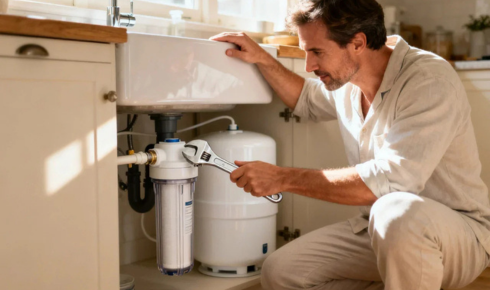
Not everything needs to be handled on your own. Bringing in a professional for a quick check can provide clarity and prevent small issues from becoming larger ones.
Think of it as a way to stay ahead, not a reaction to a problem.
A Different Way to Look at It
Instead of thinking about maintenance as a task, it helps to see it as part of how your home functions.
Your water system supports so many parts of your day—from cooking and cleaning to showering and relaxing.
Keeping it in good shape isn’t about fixing things—it’s about making sure everything continues to feel the way it should.
Final Thoughts
If your water system has been quietly doing its job without much attention, that’s a good thing.
But giving it a little care now and then can make a bigger difference than you might expect.
Not in a dramatic, noticeable way—but in a steady, reliable way that keeps your home comfortable.
Because at the end of the day, the best systems are the ones you don’t have to think about.
They just work.
And with a little attention, yours can keep working that way for years to come.