Author: admin@magazinetechnologies.com

  • How to File a Complaint Against Credit Card Recovery Agencies: A Complete Guide

    How to File a Complaint Against Credit Card Recovery Agencies: A Complete Guide

    Dealing with credit card debt is stressful enough, but when recovery agents cross the line, it can become overwhelming. Many individuals face harassment, intimidation, or unethical practices from recovery agencies. Understanding your rights and knowing how to take action is essential. This guide will help you understand the process of filing a complaint against credit card recovery agency and how to use a credit card complaint no effectively.

    Understanding the Role of Recovery Agencies

    Credit card companies often hire third-party recovery agencies to collect unpaid dues. While these agencies are legally allowed to contact borrowers, they must follow strict guidelines set by regulatory authorities like the Reserve Bank of India (RBI).

    Recovery agents are not allowed to:

    • Threaten or harass customers
    • Use abusive language
    • Contact you at odd hours
    • Visit your home or workplace without permission

    If any of these rules are violated, you have every right to raise a complaint.

    When Should You File a Complaint?

    You should consider filing a complaint if:

    • You receive threatening calls or messages
    • Agents behave aggressively or unprofessionally
    • Your privacy is violated
    • False information is used to pressure you
    • They contact your friends, relatives, or employer unnecessarily

    Recognizing these signs early can help you take timely action.

    Steps to File a Complaint

    1. Gather Evidence

    Before filing a complaint, collect all relevant evidence such as:

    • Call recordings
    • Messages or emails
    • Details of agent visits
    • Names and contact numbers

    This documentation strengthens your case and helps authorities take appropriate action.

    2. Contact the Credit Card Issuer

    Your first step should be to inform your bank or credit card company. Most financial institutions have dedicated grievance redressal systems. Share your complaint along with evidence and request immediate intervention.

    3. Use the Official Complaint Number

    Every bank provides a credit card complaint no that allows you to track your issue. This reference number is crucial for follow-ups and ensures your complaint is officially recorded.

    Make sure to:

    • Save the complaint number
    • Note the date of complaint
    • Follow up regularly if there is no response

    4. Escalate to Higher Authorities

    If your issue is not resolved within 30 days, you can escalate it to the Banking Ombudsman under RBI guidelines. This is a free and effective way to seek justice.

    You can file a complaint online through the RBI’s official portal or submit it offline with proper documentation.

    Legal Protection for Consumers

    Indian law protects consumers from harassment by recovery agents. The RBI has issued clear guidelines stating that recovery must be conducted in a dignified and lawful manner.

    If agencies violate these rules, they can face:

    • Heavy penalties
    • Cancellation of license
    • Legal action

    Consumers also have the right to file a police complaint in extreme cases involving threats or intimidation.

    Tips to Handle Recovery Calls

    While filing a complaint is important, managing communication with recovery agents can also reduce stress.

    • Stay calm and composed during calls
    • Avoid arguments or aggressive responses
    • Clearly communicate your repayment plan if possible
    • Do not share personal or financial details unnecessarily

    Maintaining professionalism can help you stay in control of the situation.

    Preventing Future Issues

    The best way to avoid dealing with recovery agencies is to manage your credit responsibly. Here are a few simple tips:

    • Pay your dues on time
    • Set reminders for billing cycles
    • Avoid overspending beyond your repayment capacity
    • Regularly check your credit report

    Financial discipline not only prevents debt but also protects your mental peace.

    Conclusion

    Facing harassment from recovery agents can be frustrating, but you are not powerless. By understanding your rights and following the correct process, you can take strong action. Filing a complaint against credit card recovery agency ensures accountability, while using a credit card complaint no helps you track and resolve your issue efficiently.


  • Ensuring Style, Durability, and Professional Results

    Ensuring Style, Durability, and Professional Results

    Vehicle wraps have evolved from being simple advertising tools to becoming an essential part of personal and commercial vehicle customization. Whether it’s a business fleet promoting a brand or a personal car reflecting your style, a high-quality wrap can dramatically transform the appearance of a vehicle. But achieving that flawless, long-lasting look requires more than just sticking vinyl onto a surface—it’s a combination of materials, technique, and professional expertise.


    Why Certification Matters

    One of the most overlooked aspects of a quality wrap is the expertise of the installer. Choosing a professional with professional certification ensures that the person handling your vehicle is trained in best practices, understands material behavior, and knows how to avoid common pitfalls like bubbling or misalignment.

    Certified installers are familiar with the nuances of high-end vinyl films, how to work around complex curves, and the proper way to apply heat or pressure to secure edges. This level of training translates into a wrap that not only looks great but also adheres properly and lasts longer. In the world of vehicle wraps, experience backed by certification can make all the difference.


    Selecting the Right Vinyl Material

    The vinyl itself plays a crucial role in determining both aesthetics and longevity. High-quality vinyl is flexible, allowing it to contour perfectly to curves and corners while maintaining vibrant colors and finishes. Cheaper alternatives might save money upfront, but they often fade, peel, or crack much sooner, undermining the overall look of the vehicle.

    Premium vinyl is engineered to withstand various stresses, whether it’s stretching over a bumper or adhering to recessed areas. Choosing the right material ensures your vehicle not only looks sharp but also performs well under everyday conditions.


    Ensuring Outdoor Performance

    Vehicles face exposure to sun, rain, wind, and even road debris. That’s why outdoor performance is a critical factor when selecting a wrap. Quality vinyl and professional installation ensure the wrap can endure UV rays, temperature fluctuations, and moisture without deteriorating.

    This outdoor resilience means your wrap maintains its color, adhesion, and finish for years, even under harsh conditions. For businesses, this is especially important, as a well-maintained fleet of wrapped vehicles projects professionalism while protecting the underlying paint from environmental wear.


    Surface Preparation: The Foundation of a Great Wrap

    Even the best vinyl can fail if the underlying surface isn’t properly prepped. Vehicles need to be cleaned thoroughly, degreased, and free from dust or residue. Tiny particles can create air pockets or weak adhesion points that compromise the wrap’s integrity.

    Surface preparation is often meticulous, requiring attention to details such as door jambs, panel edges, and complex curves. This foundational step sets the stage for a smooth, professional finish and significantly contributes to the lifespan of the wrap.


    Installation Techniques for a Flawless Look

    Wrapping a vehicle isn’t as simple as laying vinyl over the surface. It requires precise measurement, careful stretching, and strategic use of heat to contour the film without damaging it. Professionals often follow a step-by-step process, working from the center outward and using specialized tools to minimize air bubbles.

    The goal is a seamless, wrinkle-free result that highlights the design and ensures durability. A careful, methodical installation preserves the quality of both the vinyl and the vehicle’s paint, providing results that are visually appealing and structurally sound.


    Long-Lasting Wraps: The Key to Longevity

    When done right, long-lasting wraps can maintain their look and performance for several years. This longevity is a combination of high-quality materials, professional installation, and proper care. Regular cleaning with mild soap and soft cloths, avoiding harsh chemicals, and inspecting seams for lifting can significantly extend the life of a wrap.

    Long-lasting wraps not only protect the vehicle’s paint but also ensure that branding or personal designs remain vibrant. Investing in quality materials and expert installation saves money in the long run by reducing the need for replacements or repairs.


    Maintenance and Care

    Maintaining a vehicle wrap is simpler than many expect, but it does require diligence. Gentle hand washing is preferable to automated car washes, which can cause scratches or edge lifting. Monitoring for minor damage, like small scratches or edge lifts, allows for timely repairs and prevents small issues from escalating.

    A well-maintained wrap continues to protect the vehicle’s paint from sun damage and minor abrasions while keeping your car looking professionally customized. This ongoing care ensures your investment delivers both style and function for years.


    Removing and Updating Wraps

    Eventually, wraps need to be replaced or updated. Removal should be done carefully using controlled heat and slow peeling to avoid damaging the vehicle’s paint. High-quality vinyl facilitates easier removal, leaving a clean surface ready for a new wrap.

    Updating a wrap is straightforward if installation and maintenance were done correctly. Smooth surfaces, professional technique, and durable materials allow the new wrap to adhere properly, ensuring a polished, vibrant appearance with minimal effort.


    Final Thoughts: Investing in Expertise and Quality

    Vehicle wraps are more than just a decorative addition—they’re a strategic investment in style, protection, and branding. Relying on professional certification, prioritizing outdoor performance, and choosing long-lasting wraps ensures results that are both visually stunning and durable.

    Attention to detail from start to finish—surface preparation, installation, and ongoing maintenance—is what separates an ordinary wrap from a truly professional finish. Whether for business or personal expression, investing in quality materials and expertise guarantees that your vehicle stands out on the road for years to come.

  • A Simple Guide for Vehicle Owners in Uttar Pradesh

    A Simple Guide for Vehicle Owners in Uttar Pradesh

    If you’ve recently heard about High Security Registration Plates (HSRP) and felt a bit confused, you’re not alone. Many vehicle owners across India, especially in Uttar Pradesh, are now required to upgrade to HSRP for better security and compliance. The good news? The process is much easier than it sounds.

    In this guide, we’ll walk through everything you need to know about how to book my hsrp number plate and why it’s important—without the unnecessary complications.


    What is an HSRP and Why is it Important?

    An HSRP (High Security Registration Plate) is a tamper-proof number plate made of aluminum and equipped with advanced security features. These include a chromium-based hologram, a unique laser-etched serial number, and a snap lock that prevents tampering.

    The main reason behind introducing HSRP is to reduce vehicle theft, improve identification, and ensure standardized registration across the country. It also helps authorities track vehicles more effectively in case of violations or crimes.


    Who Needs to Get an HSRP in UP?

    If your vehicle was registered before April 2019 in Uttar Pradesh, you must install an HSRP. Vehicles registered after that date usually come with HSRP already installed by the dealer.

    Whether you own a car, bike, or any other vehicle, compliance is mandatory. Ignoring it may lead to penalties during traffic checks.


    Steps to Book My HSRP Number Plate Online

    The process to book my hsrp up is designed to be quick and user-friendly. Here’s how you can do it:

    1. Visit the Official Website

    Go to the authorized HSRP booking portal for Uttar Pradesh. Make sure you use a genuine government-approved site to avoid fraud.

    2. Enter Vehicle Details

    You’ll need to provide your vehicle registration number, chassis number, and engine number. These details can be found on your RC (Registration Certificate).

    3. Choose Fitment Location

    Select a nearby dealership or authorized center where you want your HSRP to be installed.

    4. Pick a Time Slot

    Choose a convenient date and time for the installation. This helps avoid long waiting times.

    5. Make Payment

    Complete the payment online using available options like UPI, net banking, or cards.

    6. Confirmation

    Once done, you’ll receive a confirmation message or receipt. Keep it handy for your appointment.


    Benefits of Installing HSRP

    Switching to an HSRP is not just about following rules—it actually offers several practical benefits:

    • Enhanced Security: Difficult to duplicate or tamper with
    • Uniformity: Standardized plates across all states
    • Better Tracking: Easier identification for law enforcement
    • Reduced Theft: Unique codes help track stolen vehicles

    It’s one of those small upgrades that quietly makes a big difference.


    Documents Required for HSRP Booking

    Before you begin the process, make sure you have the following:

    • Vehicle Registration Certificate (RC)
    • Valid ID proof (sometimes required)
    • Correct mobile number for OTP and updates

    Having accurate details is important—mistakes can delay the process or require rebooking.


    Common Mistakes to Avoid

    A lot of people rush through the booking process and end up making avoidable errors. Here are a few things to watch out for:

    • Entering incorrect chassis or engine numbers
    • Booking through unauthorized websites
    • Missing your appointment slot
    • Not carrying confirmation details during fitment

    Taking a few extra minutes to double-check can save you a lot of hassle later.


    Final Thoughts

    Upgrading to an HSRP might feel like just another government requirement, but it’s actually a smart move for your vehicle’s safety and compliance. The online process has made it incredibly convenient—you can complete everything from your home in just a few minutes.

    If you haven’t done it yet, now is the right time to take action. Once you go through the steps to book your HSRP, you’ll realize it’s far simpler than expected.

  • Getting Comfortable at Home (and Work): Why the Right HVAC Choices Matter More Than You Think

    Getting Comfortable at Home (and Work): Why the Right HVAC Choices Matter More Than You Think

    There’s a kind of comfort we all expect but rarely think about. You walk into a room and everything just feels… right. The air isn’t heavy, the temperature isn’t fighting you, and there’s no constant need to tweak the thermostat like you’re adjusting an old radio.

    But when that balance slips—even a little—you notice. Suddenly the space feels off, and you’re left wondering what changed.

    More often than not, it comes down to your HVAC system. Not just whether it’s working, but how well it’s been chosen, set up, and maintained over time.


    Why HVAC Decisions Are More Personal Than They Seem

    It’s easy to treat HVAC as a purely technical decision. Pick a system, install it, and move on. But the reality is a bit more nuanced.

    Your home or business has its own rhythm—how people move through it, how rooms are used, how sunlight hits different areas throughout the day. All of these factors influence how your system should perform.

    That’s where professional hvac advice becomes incredibly valuable. Not in a sales-heavy, overwhelming way, but as guidance that helps you understand what actually works for your space.

    A good professional doesn’t just recommend a unit. They look at the bigger picture. They ask questions. They notice patterns. And they help you make decisions that feel tailored rather than generic.

    It’s the difference between installing a system and building a solution.


    Choosing Equipment Isn’t Just About Size or Brand

    Once you start exploring HVAC options, it’s easy to get caught up in specs. Bigger capacity, higher efficiency ratings, more advanced features—it all sounds impressive.

    But choosing the right system isn’t about picking the “best” one on paper. It’s about finding the right fit.

    That’s where thoughtful equipment selection tips come into play. Things like proper sizing, compatibility with your space, and how the system handles airflow matter just as much as the brand name.

    An oversized system might cool a room quickly, but it can lead to uneven temperatures and unnecessary wear. An undersized one struggles to keep up, running constantly without delivering consistent comfort.

    It’s a bit like buying shoes. The most expensive pair won’t help if they don’t fit properly.

    And when you get the fit right, everything else falls into place more naturally.


    The Subtle Art of Making Systems Work Better

    There’s a common assumption that once an HVAC system is installed, the job is done. Set the temperature, forget about it, and everything should stay comfortable.

    But real comfort isn’t static. It shifts with seasons, usage patterns, and even small changes in your space.

    That’s where optimized system performance becomes important. It’s not about pushing the system harder—it’s about making sure it’s working smarter.

    This might involve adjusting airflow, sealing ducts, or simply maintaining components so they can do their job efficiently. Sometimes, it’s a series of small tweaks that lead to a noticeable improvement.

    And when performance is dialed in, you feel it. Not in a dramatic way, but in the absence of frustration. No more hot spots, no more constant adjustments—just a steady, reliable environment.


    Why Airflow Is Often the Missing Piece

    If there’s one thing that gets overlooked in HVAC conversations, it’s airflow.

    People focus on temperature, but airflow is what actually delivers that comfort throughout your space. Without proper airflow, even the best system can feel underwhelming.

    You might have rooms that never quite cool down, or areas that feel drafty for no clear reason. These are often signs that airflow isn’t balanced.

    Fixing it doesn’t always require major changes. Sometimes it’s as simple as adjusting vents, cleaning filters, or addressing small leaks in the ductwork.

    But the impact can be significant. Balanced airflow creates consistency, and consistency is what makes a space feel comfortable.


    The Cost of Ignoring Small Issues

    We all have a tendency to ignore minor inconveniences. A slight drop in airflow, a faint noise, a room that’s a bit warmer than the rest—it doesn’t feel urgent.

    But these small issues rarely stay small.

    Over time, they can lead to increased energy use, more frequent repairs, and a system that struggles to keep up. And when something finally breaks, it’s usually at the worst possible moment.

    Addressing these signs early isn’t just about avoiding problems. It’s about maintaining the level of comfort you’ve come to expect.


    Choosing the Right Approach Over Quick Fixes

    When something goes wrong, the quickest solution isn’t always the best one.

    Temporary fixes can get things running again, but they don’t always address the root cause. And without understanding what’s really happening, the same issues tend to come back.

    Taking a more thoughtful approach—looking at the system as a whole rather than just the immediate problem—often leads to better, longer-lasting results.

    It might take a bit more time upfront, but it creates a more stable and reliable setup in the long run.


    A Final Thought: Comfort Should Feel Effortless

    At the end of the day, the goal of any HVAC system is simple—to make your space feel comfortable without demanding attention.

    You shouldn’t have to think about it constantly. You shouldn’t have to adjust settings throughout the day or wonder why certain rooms feel off.

    When everything is working as it should, comfort becomes effortless. It fades into the background, allowing you to focus on everything else.

    And that’s really what the right HVAC choices give you—not just temperature control, but a space that feels easy to live and work in.

    Which, if you think about it, is exactly what comfort is supposed to be.

  • The Quiet Habits That Keep Your Home’s Water System Running for Years

    The Quiet Habits That Keep Your Home’s Water System Running for Years

    There’s something reassuring about turning on the tap and not having to think about it. The water flows, it feels right, and your day moves on without interruption.

    But that kind of reliability doesn’t just happen on its own.

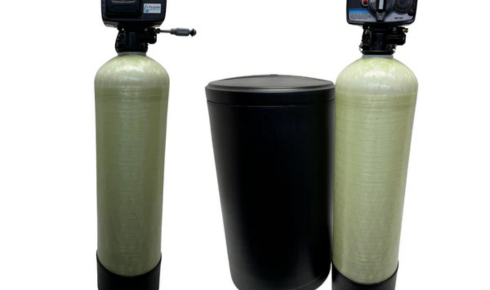
    Behind the scenes, your home’s water system is doing a lot of work—filters catching impurities, softeners balancing minerals, pipes carrying everything where it needs to go. And like anything that works this consistently, it benefits from a little care.

    Not complicated care. Not time-consuming routines. Just small, thoughtful habits that keep everything in sync.

    Why Longevity Starts With Attention

    Most systems don’t fail because they’re poorly built. They fail because they’re overlooked.

    It’s easy to forget about something that’s not visible. Water systems are tucked away—under sinks, in basements, behind walls. Out of sight, out of mind.

    Until something changes.

    Maybe the water pressure dips slightly. Maybe your dishes don’t look as clear, or your shower feels a bit different. These aren’t urgent problems, but they’re early signals.

    And if you catch them early, they’re usually easy to address.

    That’s really what homeowner water care comes down to—paying attention before small issues turn into bigger ones.

    The Value of Doing a Little, Regularly

    There’s a tendency to think maintenance has to be a big task. Something you block out time for, something you put off until the weekend.

    But with water systems, consistency matters more than effort.

    Replacing filters on time. Checking for buildup. Noticing changes in taste or flow. These small actions don’t take much, but they keep everything running smoothly.

    And over time, they become second nature.

    Understanding What Your System Needs

    Every home is a little different.

    Some have hard water that requires softening. Others rely on filtration to improve taste or remove certain elements. The setup varies, but the principle stays the same—your system works best when it’s maintained according to its needs.

    That’s where following maintenance best practices makes a real difference.

    It’s not about doing more—it’s about doing the right things at the right time.

    Knowing when to replace a filter. Understanding how often your softener needs attention. Keeping an eye on how your system performs.

    These aren’t complicated steps, but they’re effective.

    The Hidden Cost of Neglect

    When maintenance is skipped, the effects don’t show up immediately.

    They build.

    A filter that isn’t replaced starts to clog, reducing water flow. A softener that isn’t maintained loses efficiency, allowing minerals to accumulate. Over time, these small issues begin to affect other parts of the system.

    And suddenly, what could have been a simple fix becomes a more involved repair.

    That’s why prevention matters.

    Because it’s always easier—and less expensive—to maintain something than to fix it after it’s worn down.

    Extending the Life of What You Already Have

    One of the biggest advantages of regular care is longevity.

    When your system is maintained properly, it doesn’t just perform better—it lasts longer.

    That’s where tips for extending system life come into play.

    Simple habits like timely filter changes, occasional system checks, and using the right replacement parts can add years to your system’s lifespan.

    And honestly, it doesn’t take much effort to get there.

    It’s not about doing everything perfectly. It’s about staying consistent.

    The Everyday Benefits You Might Not Expect

    What’s interesting about maintaining your water system is how quietly it improves your daily life.

    You don’t necessarily notice a single moment where everything feels different.

    But you do notice that nothing feels off.

    Your water tastes consistent. Your appliances run efficiently. Your routines feel smooth.

    It’s not dramatic—it’s dependable.

    And that kind of consistency is something you come to appreciate over time.

    Making It Part of Your Routine

    If you’re not used to maintaining your water system, it might feel like one more thing to keep track of.

    But it doesn’t have to be complicated.

    Start small.

    Set a reminder to check your system every few months. Keep track of when filters were last replaced. Pay attention to how your water feels and behaves.

    These steps don’t take much time, but they make a noticeable difference.

    And once they become part of your routine, they don’t feel like extra work—they just feel normal.

    Knowing When to Ask for Help

    There will be times when something feels off and you’re not sure why.

    That’s okay.

    Not everything needs to be handled on your own. Bringing in a professional for a quick check can provide clarity and prevent small issues from becoming larger ones.

    Think of it as a way to stay ahead, not a reaction to a problem.

    A Different Way to Look at It

    Instead of thinking about maintenance as a task, it helps to see it as part of how your home functions.

    Your water system supports so many parts of your day—from cooking and cleaning to showering and relaxing.

    Keeping it in good shape isn’t about fixing things—it’s about making sure everything continues to feel the way it should.

    Final Thoughts

    If your water system has been quietly doing its job without much attention, that’s a good thing.

    But giving it a little care now and then can make a bigger difference than you might expect.

    Not in a dramatic, noticeable way—but in a steady, reliable way that keeps your home comfortable.

    Because at the end of the day, the best systems are the ones you don’t have to think about.

    They just work.

    And with a little attention, yours can keep working that way for years to come.

  • When Digestive Issues Get Complicated: A More Human Look at Modern GI Procedures

    When Digestive Issues Get Complicated: A More Human Look at Modern GI Procedures

    There’s a point—somewhere between ignoring symptoms and actually doing something about them—where things start to feel real. Maybe it’s persistent discomfort, maybe it’s a diagnosis you weren’t expecting, or maybe it’s just that quiet realization that this isn’t going away on its own.

    And then, almost out of nowhere, the word procedure enters the conversation.

    Not exactly comforting, right?

    But here’s the part that doesn’t get talked about enough: the way gastrointestinal care is handled today is far more thoughtful, more precise, and honestly, more patient-friendly than most people assume.

    It’s Not Just About Fixing a Problem

    When doctors begin discussing procedures, it’s rarely a sudden leap. There’s usually a build-up—tests, evaluations, maybe a few treatment attempts that didn’t quite do the trick.

    By the time surgery or intervention is on the table, there’s already a clearer understanding of what’s happening.

    That’s where complex GI procedure insights start to matter. It’s not just about what needs to be done—it’s about why, how, and what comes next. Patients today are given more context than ever before, helping them understand their condition in a way that feels less overwhelming.

    And when you understand something, it becomes a little less intimidating.

    Technology Has Changed the Tone of Surgery

    Let’s be honest—most people still imagine surgery as something intense and disruptive. Long incisions, extended recovery, a lot of uncertainty.

    But that image is starting to fade.

    Modern operating rooms are equipped with tools that allow surgeons to work with incredible precision. One of the most talked-about advancements is the use of robotic systems—not as replacements for surgeons, but as extensions of their skill.

    The robotic technology advantage lies in that extra layer of control. Movements can be more refined, visibility is enhanced, and delicate areas can be handled with greater care.

    For patients, it often means less strain on the body during the procedure and a smoother recovery afterward.

    It’s not magic—but it’s progress you can feel.

    The Experience Feels More Guided Now

    One thing that stands out in modern GI care is how structured everything feels.

    There’s a roadmap. From diagnosis to treatment to recovery, each step is explained and planned. You’re not left wondering what’s happening or why.

    Consultations are more detailed. Questions are encouraged. You’re part of the process, not just a passenger.

    And that changes the entire experience.

    Because when you feel informed, you feel more in control—even in situations that might otherwise feel overwhelming.

    Recovery Isn’t Just About Healing—It’s About Support

    Recovery used to be something you simply endured. Rest, wait, hope for the best.

    Now, it’s more active—and more supported.

    There’s a growing focus on patient recovery support, which goes beyond just medical instructions. It includes guidance on nutrition, movement, follow-up care, and even emotional well-being.

    You’re not just sent home with a list of do’s and don’ts. You’re given a plan. A sense of direction.

    And that can make a big difference in how recovery feels.

    The Emotional Side of It All

    This is something that often gets overlooked.

    Digestive issues can be frustrating, even isolating. They affect daily routines in ways that aren’t always visible to others. And when procedures become part of the picture, those feelings can intensify.

    There’s uncertainty, maybe a bit of fear, sometimes even embarrassment.

    What’s encouraging is that healthcare providers are starting to recognize this more openly. There’s more emphasis on communication, on making sure patients feel heard and understood.

    Because healing isn’t just physical—it’s emotional too.

    Not Every Journey Looks the Same

    It’s important to remember that every patient’s experience is different.

    Some procedures are relatively straightforward, with quick recoveries. Others are more complex, requiring more time and care. Factors like overall health, the specific condition, and how the body responds all play a role.

    And that’s okay.

    The goal isn’t to compare your experience to someone else’s—it’s to focus on what you need to move forward.

    Making Decisions Without Feeling Rushed

    One of the most empowering aspects of modern care is the ability to take your time.

    You don’t have to make decisions on the spot. You can ask questions, seek second opinions, and really understand your options before moving forward.

    And that matters.

    Because when you feel confident in your decision, everything else becomes a little easier to handle.

    A Quiet Shift in Perspective

    What’s interesting about all of this is how it’s changing the way people think about GI procedures.

    They’re no longer seen as a last resort or something to fear at all costs. They’re becoming part of a broader approach to health—one that’s precise, supportive, and increasingly patient-focused.

    That doesn’t make them easy. But it makes them more approachable.

    And sometimes, that’s all you need to take the first step.

    Final Thoughts

    Digestive health issues can be complex, and the idea of a procedure can feel daunting. That’s completely normal.

    But the reality of modern GI care is far more reassuring than many people expect.

    With better technology, clearer communication, and stronger support systems, the experience is becoming less overwhelming—and more manageable.

    If you’re facing this kind of decision, give yourself time. Learn what you can. Ask questions.

    Because understanding your path forward doesn’t just inform your choices—it gives you a sense of control.

    And in moments like these, that sense of control can make all the difference.

  • When Clean Water Isn’t Just About Filters: Why Sanitizing Your System Matters

    When Clean Water Isn’t Just About Filters: Why Sanitizing Your System Matters

    Most people assume that once a water filtration system is installed, the job is done. Clean water flows, the taste improves, and life moves on. But here’s the quiet truth many homeowners overlook: even the best filtration systems need proper sanitation from time to time.

    Think about it for a second. Water systems are constantly exposed to moisture, minerals, and microscopic organisms. Over time, that environment can allow bacteria or biofilm to develop inside tanks, membranes, and plumbing lines. It doesn’t mean your system is faulty—it simply means it’s doing its job in the real world, where maintenance matters.

    And honestly, this topic rarely gets the attention it deserves.

    The Hidden Side of Water Filtration Systems

    Water filtration systems work tirelessly behind the scenes. Whether it’s a whole-home softener or an under-sink purifier, these systems remove minerals, contaminants, and sediments from your water supply. But while they remove unwanted elements from incoming water, the internal components themselves can still become breeding grounds for microbes if neglected.

    This is especially true in environments where minerals, heat, and moisture combine. Those conditions are perfect for bacterial growth. Over time, even small traces of organic matter can accumulate in filters, tanks, or tubing.

    That’s where routine sanitation comes into play. Using a water softener sanitizer ensures that the internal components of the softening system remain hygienic, preventing unwanted microbial growth that might compromise water quality.

    It’s a bit like cleaning a coffee machine. The machine may brew great coffee daily, but eventually, the internal parts need a deep clean. Water systems aren’t much different.

    Why Reverse Osmosis Systems Also Need Attention

    Reverse osmosis systems are incredibly effective. They remove heavy metals, dissolved salts, chemicals, and other impurities using a semi-permeable membrane. Many homeowners trust them because they produce water that tastes crisp and clean.

    Yet even these sophisticated systems aren’t immune to internal contamination.

    The storage tank and tubing in a reverse osmosis system can slowly accumulate bacteria if left unchecked. This doesn’t mean the filtration membrane has failed—it simply means maintenance hasn’t kept pace with time.

    Periodic sanitization using a reverse osmosis unit sanitizer can help eliminate hidden microbial buildup and ensure the system continues producing high-quality drinking water.

    Interestingly, many technicians recommend sanitizing the system during routine filter replacements. It’s a simple step, but it makes a noticeable difference in long-term performance.

    And frankly, it’s one of those small habits that saves bigger problems later.

    The Real Role of Bacteria Control in Water Systems

    Let’s talk about the word that tends to make people uncomfortable: bacteria.

    Not all bacteria are harmful, of course. In fact, many are harmless or even beneficial in natural ecosystems. But inside a household water treatment system, bacterial buildup can cause unpleasant odors, slime formation, or subtle changes in taste.

    This is why consistent bacteria control is such a critical part of water treatment maintenance.

    Biofilm—a thin layer of microorganisms—can gradually form on internal surfaces of tanks or filters. Once it develops, it becomes harder to remove through simple flushing. Proper sanitization disrupts this biofilm and helps maintain a clean internal environment.

    It’s less about panic and more about prevention.

    In practical terms, maintaining bacteria control ensures that the system designed to protect your water doesn’t unintentionally become a place where microbes settle in.

    How Often Should You Sanitize a Water System?

    There isn’t a single universal answer, which might frustrate people looking for a neat checklist. The truth is that sanitization frequency depends on several factors:

    • Water source (municipal vs. well water)
    • Mineral content and hardness
    • Household water usage
    • System type and size
    • Environmental conditions

    For many households, sanitizing once or twice a year is sufficient. Others—especially those using well water—may benefit from more frequent maintenance.

    A good rule of thumb? If you’re replacing filters, servicing your softener, or noticing subtle changes in water taste or smell, it’s probably a good time to sanitize the system as well.

    Small routines like this tend to keep everything running smoothly.

    Signs Your System Might Need Sanitization

    Water systems rarely shout when something’s wrong. Instead, they whisper through small changes.

    You might notice a slightly unusual taste. Perhaps there’s a faint odor you can’t quite identify. Sometimes water pressure changes or filters seem to clog faster than usual.

    These clues don’t necessarily mean the system has failed—but they often suggest that maintenance is overdue.

    Sanitizing the system can restore freshness and help eliminate lingering buildup that may have developed over time.

    It’s surprisingly satisfying, actually, when a quick maintenance step brings everything back to normal.

    A Simple Habit That Protects Your Water

    At the end of the day, water treatment systems are long-term investments. They protect your health, improve water taste, and extend the life of plumbing and appliances. But like any piece of equipment, they work best when cared for properly.

    Regular sanitization isn’t complicated, expensive, or time-consuming. Yet it plays a quiet, essential role in keeping your filtration system functioning as intended.

    Sometimes the most important maintenance tasks are the ones we rarely think about. And when it comes to water quality, a little attention behind the scenes goes a long way.

    Clean water doesn’t just come from filtration—it comes from systems that are clean themselves.

  • Smart Space Solutions: Maximize Your Home with Garage Ceiling Storage

    Smart Space Solutions: Maximize Your Home with Garage Ceiling Storage

    If your garage is overflowing with tools, seasonal decorations, and rarely used items, it’s time to look up—literally. Garage ceiling storage is one of the most efficient ways to reclaim valuable floor space while keeping your belongings organized and accessible. By utilizing the unused overhead area, homeowners can transform cluttered garages into clean, functional spaces.

    Why Choose Overhead Storage?

    Modern garages often lack sufficient storage capacity, especially as households accumulate more items over time. Installing overhead garage storage systems allows you to take advantage of vertical space that would otherwise go unused. This approach not only improves organization but also enhances safety by reducing tripping hazards on the floor.

    Overhead systems are particularly useful for storing seasonal items such as holiday decorations, camping gear, or sports equipment. Since these items are not needed daily, keeping them elevated ensures they are out of the way yet still accessible when required.

    Types of Garage Ceiling Storage Options

    There are several storage solutions designed specifically for ceiling use, each catering to different needs and budgets:

    1. Garage Ceiling Racks

    Garage ceiling racks are sturdy platforms suspended from the ceiling. They are ideal for heavy-duty storage and can typically hold large bins or boxes. These racks are often adjustable, allowing you to customize the height based on your garage layout.

    2. Above Garage Door Storage

    One often-overlooked area is the space directly above your garage door. Above garage door storage systems are designed to fit this narrow but useful space. They are perfect for lightweight items like folding chairs, small bins, or outdoor accessories.

    3. Garage Ceiling Shelves

    For a more structured approach, garage ceiling shelves provide multiple levels of storage. These shelves are great for organizing smaller items and keeping everything neatly arranged. They can also be labeled for easy identification, making it simple to find what you need.

    Benefits of Ceiling Storage Systems

    Investing in ceiling storage offers numerous advantages:

    • Maximized Space: Frees up floor and wall areas for parking or workstations.
    • Improved Organization: Keeps items categorized and easy to locate.
    • Enhanced Safety: Reduces clutter and minimizes accidents.
    • Increased Home Value: A well-organized garage can be a selling point for potential buyers.

    Additionally, these systems are highly customizable, allowing you to choose the size, material, and weight capacity that suits your needs.

    Installation Tips for Best Results

    Before installing any ceiling storage system, consider the following tips:

    • Check Ceiling Strength: Ensure your garage ceiling can support the weight of the storage unit and stored items.
    • Measure Carefully: Accurate measurements will help you choose the right size and avoid installation issues.
    • Use Quality Hardware: Durable brackets and fasteners are essential for safety and longevity.
    • Plan Accessibility: Store frequently used items in easily reachable areas, while placing rarely used items higher up.

    If you’re unsure about installation, hiring a professional can ensure the system is securely mounted and properly aligned.

    Maintenance and Safety

    To keep your storage system in top condition, perform regular inspections. Check for loose bolts, signs of wear, or any structural issues. Avoid overloading racks or shelves beyond their recommended capacity, as this can lead to accidents or damage.

    It’s also a good idea to use labeled storage bins to keep items organized and protected from dust. Clear containers can make it even easier to identify contents at a glance.

    Final Thoughts

    Transforming your garage doesn’t require a complete renovation—sometimes, all it takes is looking upward. By incorporating garage ceiling storage solutions, you can create a more organized, spacious, and functional environment. Whether you choose racks, shelves, or specialized systems, the benefits of overhead storage are undeniable. With proper planning and installation, your garage can become a clutter-free zone that meets all your storage needs.

  • Understanding Flange Sizes: A Comprehensive Guide by Fox Global

    Understanding Flange Sizes: A Comprehensive Guide by Fox Global

    In the world of industrial engineering and construction, the quality of your components determines the reliability of your entire system. Precision-engineered flanges and sizing standards play a critical role in ensuring safety, efficiency, and longevity across countless applications — from mining and petrochemical operations to water management and general manufacturing throughout Australia and the Asia-Pacific region.

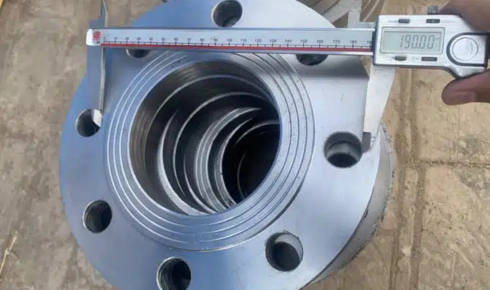
    This comprehensive guide explores the features, benefits, applications, and selection criteria for flanges and flange sizing — helping you make informed decisions for your next project. For the full range of products and detailed technical specifications, visit flange sizes Australia and explore solutions engineered specifically for Australian conditions and regulatory requirements.

    Understanding Flanges and flange sizing in Industrial Applications

    Flanges and flange sizing are fundamental components in fluid handling, piping, and connection systems across virtually every industrial sector in Australia. They serve as the critical interface between pipes, hoses, valves, and equipment — ensuring secure, leak-free connections that withstand the most demanding operational conditions encountered in real-world applications.

    The Australian industrial landscape presents unique challenges including extreme temperatures ranging from sub-zero conditions in cold storage to scorching desert heat, highly corrosive environments in coastal and mining operations, high-pressure applications in oil and gas, and strict regulatory compliance requirements across all sectors. Selecting the right flanges and flange sizing for your specific application is not merely a purchasing decision — it is an engineering imperative that directly impacts safety, performance, operational costs, and long-term reliability.

    Key Properties and Specifications

    • Material Composition: High-quality flanges and flange sizing are manufactured from carefully selected materials that balance strength, corrosion resistance, weight, and cost-effectiveness. Common materials include carbon steel, stainless steel, brass, aluminium, and specialised alloys — each suited to different operating environments and media types.
    • Pressure Ratings: Every component is rated for specific pressure ranges determined through rigorous testing. Selecting components with appropriate pressure ratings is essential for safe operation, regulatory compliance, and system longevity.
    • Temperature Tolerance: Industrial environments often involve extreme temperatures that challenge material properties. Quality components maintain their structural integrity, dimensional stability, and sealing capability across a wide temperature range.
    • Corrosion Resistance: Australian conditions — particularly in coastal, mining, and chemical processing environments — demand components with excellent corrosion resistance to ensure longevity, reliability, and minimal maintenance requirements.
    • Standards Compliance: Reputable products comply with Australian Standards (AS), ISO specifications, and relevant industry-specific regulations, ensuring safety, interoperability, and acceptance by project certifiers and inspectors.

    Applications Across Key Industries

    The versatility of flanges and flange sizing extends across numerous industries, each with unique requirements, operating conditions, and regulatory frameworks. Understanding these applications helps you select the right product for your specific context.

    • Mining and Resources: Australia’s mining sector demands components that withstand abrasive slurries, corrosive chemicals, and extreme pressures in some of the harshest operating environments on earth. Reliability is non-negotiable — equipment failures can result in costly downtime, safety hazards, and environmental incidents.
    • Oil and Gas: Petrochemical applications require components rated for high temperatures and pressures, with materials resistant to hydrocarbons, corrosive gases, and the demanding conditions of offshore and onshore operations.
    • Water and Wastewater: Municipal water systems and wastewater treatment plants rely on durable, corrosion-resistant components to maintain clean water supply and effective waste processing across decades of continuous service.
    • Agriculture: Irrigation systems, chemical transfer, and liquid fertiliser handling all require reliable connections that resist UV exposure, chemical degradation, and the rigours of seasonal agricultural operations.
    • Construction and Civil Engineering: Dewatering operations, concrete pumping, and temporary piping systems depend on quick-connect solutions that are both robust and easy to deploy in fast-paced construction environments.

    Choosing the Right Product for Your Project

    Selecting the correct product involves evaluating several critical factors simultaneously. An incorrect choice can lead to leaks, system failures, safety incidents, and expensive remediation. Taking the time to assess your requirements thoroughly is an investment that pays dividends in reliability, safety, and long-term peace of mind.

    1. Identify the media being transferred — water, chemicals, petroleum products, gases, or slurries — as this determines material compatibility requirements and influences product selection.
    2. Determine the operating pressure and temperature range to ensure the selected product meets or exceeds system demands with an appropriate safety margin.
    3. Assess the installation environment, including exposure to UV radiation, salt spray, chemicals, vibration, and potential impact from equipment or personnel.
    4. Verify compatibility with existing piping, fittings, and equipment to avoid costly modifications and ensure seamless integration into existing systems.
    5. Confirm compliance with relevant Australian Standards and industry-specific regulations to ensure project acceptance and certification.
    6. Consider total cost of ownership, including installation time, maintenance requirements, expected service life, and the cost of potential failure.

    Quality Assurance and Australian Standards

    When sourcing flanges and flange sizing for Australian projects, quality assurance is paramount and non-negotiable. Products should meet or exceed the requirements of relevant Australian Standards, including AS 4087 for metallic flanges, AS 1210 for pressure vessels, and AS/NZS 4020 for products in contact with drinking water. These standards exist to protect workers, the public, and the environment.

    Reputable suppliers provide full traceability documentation, material test certificates, and dimensional inspection reports with every order. This documentation is not only a quality assurance measure — it is often a regulatory requirement for projects in the mining, oil and gas, and water treatment sectors, and is essential for project audits and certification processes.

    The Importance of Supplier Expertise

    Beyond product quality, the technical expertise of your supplier can significantly impact project outcomes and long-term satisfaction. A knowledgeable supplier can assist with product selection, provide detailed technical specifications, offer alternative solutions when standard products do not meet requirements, troubleshoot installation challenges, and ensure timely delivery to project sites across Australia — from metropolitan centres to remote mining operations.

    Maintenance and Longevity Best Practices

    Proper maintenance extends the service life of flanges and flange sizing significantly and prevents costly failures that can disrupt operations and compromise safety. Regular inspection schedules, appropriate torque management, gasket replacement programmes, and corrosion monitoring are all essential components of a robust maintenance strategy that protects your investment.

    Environmental factors also influence maintenance requirements considerably. Components in coastal environments require more frequent inspection for corrosion, while those in high-vibration applications need regular checks for loosening and fatigue. Components exposed to UV radiation in outdoor installations may require protective coatings or more frequent replacement. A proactive maintenance approach is always significantly more cost-effective than reactive repairs and unplanned downtime.

    Conclusion: Invest in Quality for Lasting Performance

    Choosing the right flanges and flange sizing is a decision that affects the safety, efficiency, and longevity of your entire system for years to come. By understanding the technical requirements of your application, sourcing from reputable suppliers with proven track records, and implementing proper maintenance protocols, you ensure reliable performance across the full lifecycle of your project.

    Do not compromise on quality when it comes to critical industrial components. Partner with suppliers who combine product excellence with deep technical expertise and responsive customer service, and invest in solutions that deliver lasting value for Australian conditions. Your project’s success — and your professional reputation — depend on it.

  • Complete Guide to Booking HSRP Number Plates Online in Uttar Pradesh

    Complete Guide to Booking HSRP Number Plates Online in Uttar Pradesh

    In recent years, the Government of India has made High Security Registration Plates (HSRP) mandatory for vehicles across the country. The goal behind this initiative is to improve vehicle security, reduce theft, and maintain a unified registration system. If you own an older vehicle in Uttar Pradesh, you may already have received instructions to install an HSRP plate. Thankfully, the process has become much easier thanks to online portals that allow vehicle owners to book my hsrp up without visiting multiple offices.

    This article explains what HSRP is, why it is important, and how you can easily apply for one online.

    What is an HSRP Number Plate?

    A High Security Registration Plate is a tamper-proof number plate made of aluminium and fitted with advanced security features. These plates are designed to prevent duplication or illegal replacement. They come with a unique laser-etched code, chromium hologram, and snap-lock system that cannot be removed easily.

    HSRP plates are now mandatory for both new and old vehicles across many Indian states, including Uttar Pradesh. Vehicles registered before April 2019 must upgrade to HSRP plates to comply with government rules.

    Apart from security, these plates also help law enforcement agencies track vehicles easily through centralized databases.

    Why HSRP Plates Are Mandatory in Uttar Pradesh

    The Uttar Pradesh transport department has made it compulsory for all vehicles to install HSRP plates. The main reasons include:

    • Preventing vehicle theft and illegal number plate duplication
    • Standardizing number plates across the state
    • Helping police track vehicles during investigations
    • Ensuring compliance with national vehicle registration rules

    If a vehicle owner fails to install an HSRP plate, they may face traffic penalties during inspections or road checks.

    How to Book HSRP Number Plate Online

    The government has simplified the application process by introducing online booking systems. Now vehicle owners can book hsrp number plate appointments through official portals.

    Here is the step-by-step process:

    1. Visit the Official HSRP Portal

    Go to the official HSRP booking website approved by the Uttar Pradesh transport department.

    2. Enter Vehicle Details

    You will be asked to provide information such as:

    • Vehicle registration number
    • Chassis number
    • Engine number
    • Vehicle owner details

    Make sure the information matches your RC (Registration Certificate).

    3. Select Fitment Location

    Choose a nearby dealership or authorized center where the number plate will be installed.

    4. Pick Appointment Date

    Select a convenient date and time slot for plate installation.

    5. Pay the Fees

    After entering details, you can pay the HSRP fee online through debit card, credit card, or net banking.

    6. Visit the Fitment Center

    On the appointment day, take your vehicle and booking receipt to the selected dealership where the HSRP plate will be installed.

    The installation process usually takes only a few minutes.

    Cost of HSRP Number Plates

    The price of HSRP plates depends on the vehicle type. Typically:

    • Two-wheelers: ₹300 to ₹400
    • Four-wheelers: ₹600 to ₹1100

    Some vehicles may also require a color-coded sticker for fuel type, which adds a small additional charge.

    These charges are fixed by government guidelines and should be paid only through official portals.

    Benefits of Installing HSRP Plates

    HSRP plates provide several advantages beyond regulatory compliance.

    Improved Security
    The tamper-proof design makes it difficult for criminals to change number plates on stolen vehicles.

    Standardized System
    All vehicles follow a uniform format, making identification easier.

    Digital Tracking
    The laser-etched serial number allows authorities to track vehicle data quickly.

    Legal Compliance
    Installing HSRP plates ensures you avoid fines and penalties during traffic checks.

    Important Tips for Vehicle Owners

    If you are planning to install an HSRP plate, keep the following tips in mind:

    • Always apply through authorized portals only.
    • Double-check your vehicle details before submission.
    • Carry your RC and ID proof during installation.
    • Avoid third-party agents who charge unnecessary fees.

    Following these steps will ensure a smooth and hassle-free process.

    Final Thoughts

    HSRP number plates are an important step toward improving vehicle security and road regulation in India. For vehicle owners in Uttar Pradesh, the online system has made the process extremely convenient. Instead of visiting transport offices, you can now apply, schedule appointments, and pay fees online within minutes.

    If your vehicle still has an old number plate, it is advisable to complete the process soon to avoid penalties and ensure your vehicle meets government safety standards. Installing an HSRP plate not only keeps you legally compliant but also contributes to a safer and more organized transportation system.