Author: admin@magazinetechnologies.com

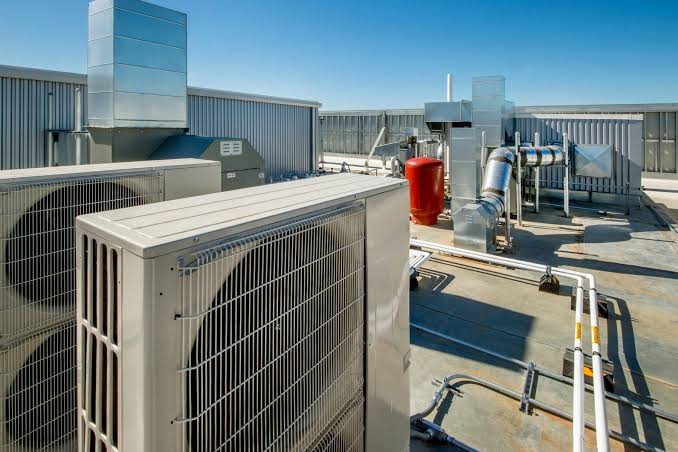
  • What to Know When Your Air Conditioner Starts Acting Up

    What to Know When Your Air Conditioner Starts Acting Up

    There’s a particular kind of frustration that comes with an air conditioner that isn’t doing its job. You set the thermostat lower, wait a while, and expect the room to cool down. Instead, the air coming from the vents is barely cool—or sometimes not cool at all.

    Most air conditioning problems don’t happen completely without warning. A system may start making odd sounds, running longer than usual, or struggling to maintain the temperature. Paying attention to these changes can save you from a much bigger headache later.

    Strange Noises Are Worth Noticing

    An air conditioner should make some noise while operating. That’s normal. But there’s a difference between the steady hum of a working system and a sudden grinding, rattling, buzzing, or squealing sound.

    A new noise can indicate a loose component, a worn motor, debris in the outdoor unit, or another mechanical issue. It doesn’t necessarily mean the system is about to fail, but it shouldn’t be ignored either.

    Sometimes a quick inspection catches something simple. Other times, the sound is an early warning of a component that needs attention.

    When the AC Runs but Doesn’t Cool

    This is one of the most common complaints homeowners have. The air conditioner is running, the vents have airflow, but the house never seems to reach the temperature shown on the thermostat.

    Several things can cause this. A dirty filter can restrict airflow. Problems with refrigerant, ductwork, the thermostat, or other components may also be involved.

    Before assuming the entire system needs replacement, check the basics. Make sure the filter isn’t heavily clogged and that vents aren’t blocked by furniture or other objects.

    If the problem continues, professional diagnosis is the better move.

    Rising Energy Bills Can Tell a Story

    Utility bills naturally change with the weather, but a sudden unexplained increase deserves some attention.

    An aging or poorly maintained AC may have to run longer to achieve the same result it once produced easily. Dirty coils, restricted airflow, failing components, or duct leaks can all contribute to inefficient operation.

    It’s easy to simply accept a higher bill as part of summer. But if your usage habits haven’t changed and the cost keeps climbing, your HVAC system could be working harder than it should.

    Humidity Can Affect Comfort Too

    Cooling a room isn’t the only job an air conditioner performs. It also helps control indoor humidity.

    If your home feels damp or sticky even though the thermostat says the temperature is comfortable, something may not be working as efficiently as it should.

    Humidity problems can sometimes be related to equipment sizing, airflow, drainage, or other HVAC conditions. The solution depends on what’s actually causing the issue.

    A comfortable indoor environment isn’t necessarily the coldest one. Balanced temperature and humidity are what make a room feel pleasant.

    Seasonal Weather Puts Extra Pressure on Your System

    In the tri-state area, HVAC systems often have to handle significant seasonal changes. A unit that’s been sitting relatively quiet during mild weather can suddenly be expected to operate for hours every day once summer arrives.

    That sudden workload can expose problems that weren’t obvious before.

    This is one reason seasonal maintenance makes sense. Checking the system before extreme weather arrives gives you a better chance of finding worn parts, restricted airflow, or other issues before you’re stuck without cooling.

    Choosing the Right Help Matters

    When an air conditioner stops behaving normally, it’s tempting to choose the first contractor who can arrive. Sometimes that’s unavoidable, especially during a heat wave.

    Still, taking a little time to check credentials, reviews, experience, and service policies can make a meaningful difference.

    A good technician should explain what they’ve found and give you reasonable options. You shouldn’t feel pressured into replacing an entire system without understanding why replacement is actually necessary.

    Clear communication is often just as valuable as technical ability.

    Repair or Replacement?

    Every AC eventually reaches the end of its useful life. The difficult part is deciding when that point has arrived.

    For a relatively young system with one isolated problem, repair may be the obvious choice. But an older unit that needs repeated repairs, uses significant energy, and struggles to cool the home may be approaching the point where replacement makes more financial sense.

    Think beyond today’s invoice.

    Consider the system’s age, repair history, efficiency, expected remaining lifespan, and the cost of a new installation. A trustworthy HVAC professional can help you compare those factors instead of simply telling you what to buy.

    Why Maintenance Still Matters

    Maintenance isn’t exciting. Nobody wakes up thinking, “I can’t wait to schedule an HVAC inspection today.” Yet it can prevent plenty of unnecessary trouble.

    Replacing filters, keeping outdoor equipment clear, checking airflow, and scheduling professional inspections can help your system stay in better shape.

    Maintenance also gives technicians an opportunity to spot developing problems. Catching a worn component before it fails completely can mean a much easier repair.

    It’s a little like fixing a small leak before it becomes a flooded room. Not glamorous, but definitely worthwhile.

    Don’t Let a Small Warning Become a Big Problem

    As a home or business owner, you don’t need to understand every technical detail of your HVAC system. What matters is noticing when something changes.

    A strange smell, unusual sound, weak airflow, inconsistent temperatures, or rising energy costs shouldn’t automatically cause alarm. But they are worth investigating.

    The earlier you understand what’s happening, the more choices you usually have. You may need a simple repair, routine maintenance, or eventually a replacement. Knowing which one is appropriate is much easier when the problem is diagnosed properly.

    Keeping Your Cooling System Ready

    An air conditioner works hardest when you need it most. That’s exactly why waiting until the hottest day of the year to discover a problem can be such a miserable experience.

    Pay attention to warning signs, keep up with basic maintenance, and work with qualified professionals when repairs go beyond simple homeowner tasks.

    A dependable AC system doesn’t happen by accident. It’s the result of proper installation, regular care, timely repairs, and sensible decisions along the way.

    And when summer arrives and the temperature starts climbing, you’ll be glad you took care of those little things before they became big ones.

  • When Your Water Treatment System Needs More Than a Quick Fix

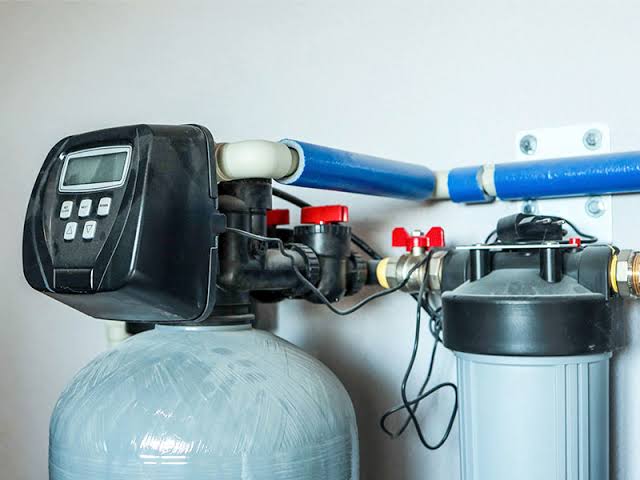
    When Your Water Treatment System Needs More Than a Quick Fix

    A water treatment system is easy to forget when it’s doing its job. You turn on the tap, the water looks fine, the shower feels normal, and life carries on. That quiet reliability is exactly what you want.

    But water treatment equipment, like any hardworking household system, can develop problems over time. Filters become clogged. Settings drift. Valves wear down. Water pressure changes. Sometimes the signs are subtle enough that you don’t notice them until the system isn’t performing the way it used to.

    Knowing when to call for professional help can save you frustration, unnecessary expenses, and possibly a much bigger repair later. You don’t need to become a water-treatment expert. You just need to recognize a few important warning signs.

    Don’t Wait for a Complete Breakdown

    One of the most common mistakes homeowners make is waiting until equipment stops working completely before calling someone.

    It’s understandable. If the water is still flowing, why spend money on service?

    The problem is that many equipment issues develop gradually. A filter may become increasingly restricted, a valve may begin sticking, or a system may stop regenerating correctly. The water can still look normal while performance is quietly declining.

    If you notice repeated changes in water pressure, taste, odor, or flow, it may be time to schedule a service rather than hoping the issue disappears on its own.

    A small adjustment today can sometimes prevent a much more expensive repair later.

    Strange Water Pressure Deserves Attention

    Water pressure is one of the easiest things to notice around the house.

    Maybe the shower isn’t as powerful as it used to be. Perhaps the kitchen faucet takes longer to fill a pot. If the change is sudden, it could be a plumbing issue, but your treatment system may also be involved.

    Clogged filters, sediment buildup, restricted valves, and other components can reduce flow.

    Don’t automatically replace the filter and assume the problem is solved. If the pressure doesn’t return to normal, there may be another underlying cause.

    A professional can inspect the system and determine whether the restriction is inside the treatment equipment or somewhere else in the home’s plumbing.

    When Professional Service Is the Smarter Choice

    There are plenty of simple maintenance tasks homeowners can handle. Changing a cartridge, checking a salt level, or looking for obvious leaks may be perfectly reasonable.

    Other repairs aren’t quite so simple.

    Water treatment systems can contain pressure-sensitive components, electrical controls, valves, pumps, tanks, and specialized filtration equipment. Trying to repair something unfamiliar with a video tutorial and a wrench isn’t always the bargain it seems.

    Professional technicians have the tools and experience to diagnose the actual problem instead of replacing parts based on guesswork.

    That matters because the wrong repair can sometimes create another problem entirely.

    Why On-Site Service Can Be More Useful

    Some water treatment issues are difficult to diagnose remotely. A technician may need to see the equipment, inspect connections, check settings, test pressure, or look at the condition of filters and media.

    That’s where on-site service becomes particularly useful.

    Instead of describing a strange noise over the phone or trying to explain a pressure problem, you can have someone inspect the equipment directly. They may spot something that isn’t obvious to the homeowner — a small leak, an incorrectly adjusted valve, worn tubing, or a component that has started to deteriorate.

    An on-site visit can also help determine whether the treatment system is actually the source of the problem.

    Sometimes it isn’t.

    Water Quality Changes Shouldn’t Be Ignored

    Changes in water quality can be another reason to seek professional advice.

    If water suddenly tastes different, develops an unusual odor, becomes cloudy, or starts leaving unexpected stains, don’t simply assume the treatment system needs a new filter.

    The source water itself may have changed.

    This is especially important for private well owners. Weather events, flooding, nearby construction, agricultural activity, and changes around a well can influence water conditions.

    Testing can provide much better information than guessing. Depending on the situation, a water professional may recommend testing for hardness, iron, manganese, chlorine, bacteria, nitrates, or other characteristics.

    Once you know what’s changed, you can make a much more informed treatment decision.

    Maintenance Isn’t Just About Repairs

    Professional service shouldn’t only happen when something breaks.

    Regular inspections can help identify worn components, clogged filters, incorrect settings, and other developing issues before they become emergencies.

    A maintenance visit may also be a good opportunity to review whether the system is still properly matched to your household. Your water usage may have changed since installation. Perhaps your family has grown, you’ve remodeled the home, or you’ve added another bathroom.

    Equipment should make sense for your current needs, not just the needs you had years ago.

    Ask About Ongoing Support

    Buying a treatment system is a significant decision, but the relationship shouldn’t necessarily end once the installation is complete.

    Good ongoing support can make ownership much easier. Depending on the provider, this may include routine maintenance, filter replacement reminders, troubleshooting, water testing, inspections, and access to technicians when something goes wrong.

    Having a reliable point of contact is particularly useful when you aren’t sure whether a problem is urgent.

    Instead of searching the internet at midnight because your softener is making a strange noise, you know who to call. That’s a small thing, but it’s nice.

    Keep Simple Records at Home

    You don’t need an elaborate maintenance program. A basic record can be surprisingly helpful.

    Write down when filters are replaced, when the system was last inspected, and any water testing that has been performed. If a technician changes settings or replaces a component, make a note of it.

    These records give you a useful history of the system.

    They can also help a technician understand recurring problems if something happens later. Without records, you’re often relying on memory — and let’s be honest, remembering when you last changed a filter six months ago isn’t always easy.

    The Right Time to Call Is Usually Earlier

    Professional water treatment service isn’t something you should fear or postpone simply because the system is still functioning.

    The goal isn’t to spend money unnecessarily. It’s to catch problems when they’re manageable.

    If water pressure changes, equipment starts behaving strangely, filters clog unusually quickly, or water quality seems different, pay attention. If the issue persists, getting professional advice is often the sensible next step.

    A well-maintained water treatment system should work quietly in the background. With timely inspections, proper repairs, and dependable support, you can keep it that way — providing consistent water without turning every little change into a household mystery.

  • When Your Water Looks Wrong: What Those Stains and Sediment May Really Mean

    When Your Water Looks Wrong: What Those Stains and Sediment May Really Mean

    Water is one of those things we tend to take for granted. Turn on the tap, fill a glass, take a shower, move on with the day. But when the water suddenly looks cloudy, leaves marks around the sink, or develops an odd smell, it’s hard not to wonder what’s going on.

    Changes in water quality can have several causes, from naturally occurring minerals to problems with plumbing, wells, storage tanks, or filtration equipment. Some issues are mostly cosmetic, while others deserve closer attention. Knowing the difference can save you money, protect your plumbing, and give you greater confidence about the water your household uses every day.

    Why Water Stains Appear Around the Home

    Brown, orange, yellow, or even black marks around faucets and fixtures are surprisingly common. In many homes, minerals in the water are responsible.

    Iron is a frequent culprit. When iron comes into contact with oxygen, it can oxidize and leave reddish-brown marks on sinks, tubs, toilets, and laundry. If you’ve ever scrubbed a bathtub only to watch the stain return a few days later, the problem may not be your cleaning routine at all.

    The same goes for rust or sulfur stains. Sulfur-related compounds can sometimes create dark discoloration or contribute to an unpleasant rotten-egg odor, particularly in private well water. These problems aren’t always dangerous by themselves, but they can be persistent and frustrating.

    Hard water can add another layer to the problem. Calcium and magnesium may leave a white, chalky residue on showerheads, faucets, glass doors, and appliances. Over time, mineral deposits can become more than an eyesore. They may interfere with water flow and shorten the life of certain fixtures.

    Cloudy Water Doesn’t Always Mean Dirty Water

    Clear water feels reassuring. Cloudy water? Not so much.

    Still, cloudy water isn’t automatically a sign that something is seriously wrong. Tiny air bubbles can make freshly drawn tap water appear milky or hazy. Usually, the water becomes clear after sitting in a glass for a short time.

    But persistent cloudiness deserves a closer look, especially when it comes with particles, unusual odors, discoloration, or changes in taste. In some situations, cloudy or sediment-filled water may point to sediment entering the water supply, disturbed plumbing, an aging well, or a filtration system that needs maintenance.

    Sediment can include sand, silt, clay, rust particles, or other material carried through the plumbing. Apart from affecting appearance, excessive sediment can clog faucet aerators, damage appliances, and place additional strain on filters.

    If the problem appears suddenly, it’s worth paying attention to when it started. A recent plumbing repair, water main disturbance, heavy rainfall, or well maintenance can sometimes explain a temporary change.

    What Could Be Living in Your Water?

    Minerals aren’t the only thing homeowners need to think about. Water can also contain microorganisms and other contaminants, depending on its source and the condition of the plumbing system.

    Municipal water supplies are treated and monitored, but that doesn’t mean every household’s water is identical by the time it reaches the tap. Old plumbing, damaged pipes, storage tanks, and other factors can affect water quality.

    Private wells require even more attention because homeowners are generally responsible for testing and maintaining their own water systems. Bacteria can enter a well through surface water, damaged components, or other pathways. That’s why routine testing matters, particularly after flooding, repairs, or changes in taste, odor, or appearance.

    The presence of bacteria & contaminants isn’t something you can reliably identify just by looking at a glass of water. Some unwanted substances have no obvious smell, taste, or color. Testing is therefore much more useful than simply relying on appearance.

    Hard Water Can Affect More Than Your Skin

    If your faucets develop white scale or your soap never seems to rinse properly, hard water could be part of the story.

    Hard water contains elevated levels of minerals, mainly calcium and magnesium. These minerals aren’t generally considered harmful at typical levels, but they can create plenty of household headaches.

    Scale may build up inside water heaters, pipes, coffee makers, dishwashers, and other appliances. Water heaters are particularly vulnerable because mineral deposits can accumulate around heating elements and reduce efficiency.

    You may also notice that clothes feel stiff after washing, glasses come out of the dishwasher with spots, or your skin feels dry after a shower. None of these signs proves that you have hard water, but together they can make a strong case for getting the water tested.

    A properly selected water softener can reduce hardness and help protect plumbing and appliances. The key word is “properly.” A softener isn’t a universal solution for every water problem, and installing one without understanding the water chemistry can be an expensive mistake.

    Why Testing Comes Before Treatment

    It’s tempting to buy a filter based on a symptom. Brown water? Get an iron filter. Bad smell? Buy an odor filter. Hard water? Install a softener.

    Sometimes that works. Sometimes it doesn’t.

    Water treatment should ideally begin with testing. A good water analysis can identify factors such as hardness, iron, manganese, pH, sediment, and certain microbial or chemical concerns. Once you know what you’re dealing with, you can choose equipment designed for that particular problem.

    This is especially important for well owners. Well water can vary considerably from one property to another, even between neighboring homes. A treatment system that works beautifully for one household may be completely unnecessary—or inadequate—for another.

    Testing also prevents the classic “replace one problem with another” situation. For example, some treatment systems can alter water chemistry, increase maintenance requirements, or require additional filtration. Understanding the complete picture helps you avoid surprises later.

    Choosing the Right Filtration Approach

    There isn’t one magic filter for every home.

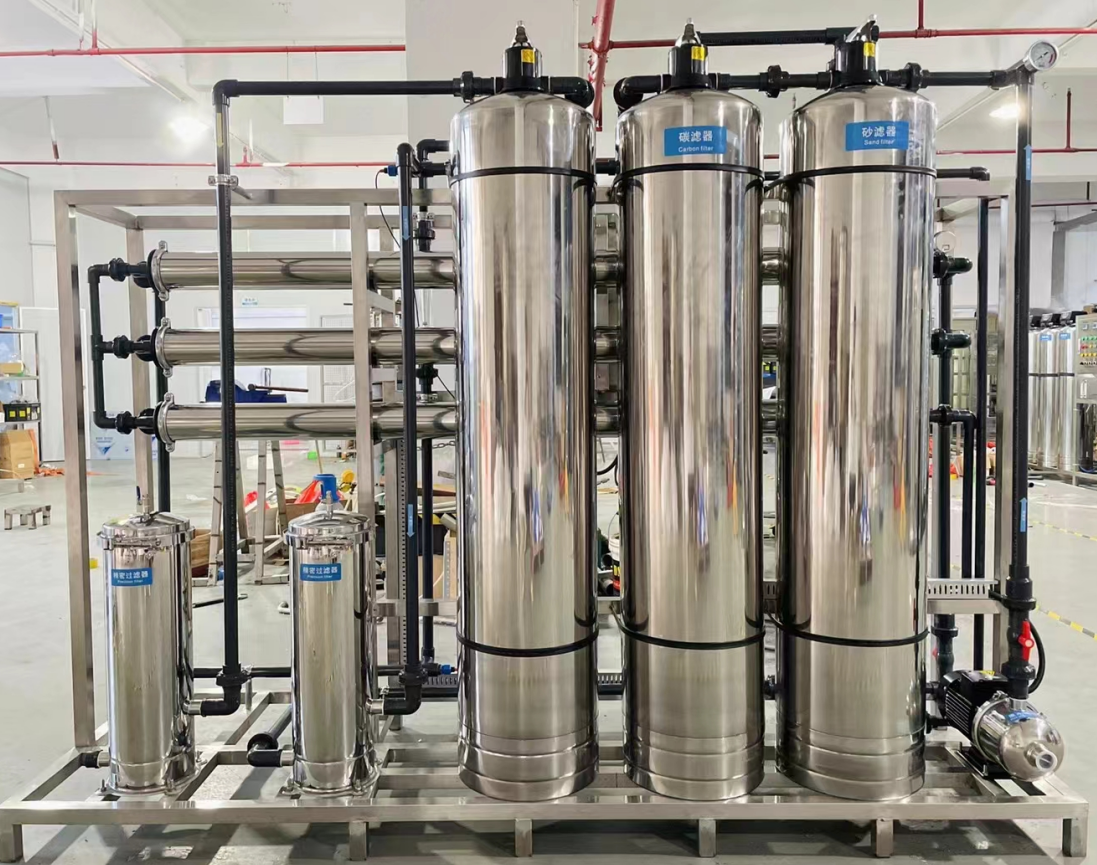
    Sediment filters are useful when sand, dirt, rust particles, or other suspended material are present. Activated carbon filtration can help reduce chlorine and improve taste and odor. Specialized systems may be used for iron, sulfur, certain chemicals, or other specific contaminants.

    Reverse osmosis systems are often used at a drinking-water tap when homeowners want additional treatment for dissolved contaminants. Whole-house systems, meanwhile, treat water before it travels throughout the plumbing.

    The best option depends on the source water, the contaminants involved, household water usage, and maintenance expectations. Price matters, of course, but buying the cheapest system isn’t necessarily economical if it doesn’t solve the actual problem.

    Small Warning Signs Are Worth Noticing

    Water problems rarely arrive with a dramatic announcement. More often, they show up as little annoyances—a stain that keeps returning, a strange smell after running the tap, a filter that clogs unusually quickly, or water that suddenly looks different.

    Those signs shouldn’t automatically cause panic. But they shouldn’t be ignored either.

    Pay attention to changes, especially if they persist. Check filters, inspect visible plumbing, and consider professional water testing when the cause isn’t obvious. If you use well water, regular testing should be part of routine home maintenance rather than something you only do when there’s a problem.

    Clean, dependable water makes everyday life easier in ways we don’t always notice until something changes. A little investigation at the first sign of trouble can often prevent a much bigger headache later.

    In the end, the goal isn’t simply to make water look better. It’s to understand what’s actually in it and choose a treatment approach that makes sense for your home, your plumbing, and the people who rely on that water every day.

  • Choosing the Right Water Treatment System for Lasting Results

    Choosing the Right Water Treatment System for Lasting Results

    Clean, reliable water is one of those things most people don’t think about until there’s a problem. A strange taste, cloudy glass, stubborn scale around the faucet, or an unpleasant smell can quickly turn an everyday routine into a nuisance. And while buying the first filter you see might seem like the easiest fix, water quality problems are rarely one-size-fits-all.

    The right treatment approach depends on what’s actually in the water, how much water a household uses, and what needs to be removed. That’s where professional assessment and modern filtration technology can make a real difference. Instead of guessing, homeowners can identify the underlying issue and choose a system designed around their specific needs.

    Why Water Quality Problems Deserve More Attention

    Water can look perfectly clear and still contain unwanted minerals, chemicals, sediment, or other contaminants. Hard water, for example, is common in many areas and contains elevated levels of calcium and magnesium. Over time, these minerals can leave deposits on fixtures, reduce the efficiency of water-using appliances, and make cleaning feel like an endless chore.

    Then there are problems that are harder to notice. Depending on the local water source, people may be concerned about chlorine, lead, sediment, PFAS, or other substances. Not every home has the same water profile, which is why a solution that works beautifully for one household may do very little for another.

    A proper water analysis helps separate real problems from assumptions. It also prevents homeowners from spending money on equipment they simply don’t need.

    Modern Treatment Goes Beyond a Basic Filter

    Traditional filters still have their place, but today’s water treatment options can be much more sophisticated. Depending on the situation, a system may combine sediment filtration, activated carbon, water softening, reverse osmosis, or other technologies to address different concerns.

    These advanced treatment systems are particularly useful when several water quality issues exist at once. For instance, a household might need whole-home filtration for general water quality while also using a point-of-use reverse osmosis system for drinking and cooking water.

    The important part is matching technology to the problem. A filter designed to reduce chlorine isn’t necessarily the right answer for hard water. Likewise, a softener isn’t intended to remove every possible contaminant.

    Think of it like choosing a pair of shoes. You wouldn’t wear hiking boots to a formal dinner just because they’re good shoes. The technology has to fit the job.

    Whole-Home Treatment vs. Point-of-Use Filtration

    One decision homeowners often face is whether to treat all the water entering the house or focus only on drinking water.

    Whole-home treatment can be a practical choice when water quality concerns affect showers, laundry, appliances, and other fixtures as well as the kitchen. Treating water at the main entry point means the entire home receives the benefit.

    Point-of-use systems, meanwhile, are installed where water is consumed, commonly at a kitchen faucet. They can be especially useful when the main concern is drinking and cooking water rather than every water source in the house.

    Neither approach is automatically better. It comes down to the water problem, household priorities, available space, and budget. In some cases, combining both approaches makes the most sense.

    Installation Quality Matters More Than People Think

    A high-quality treatment system can still disappoint if it isn’t installed correctly. Plumbing connections, water pressure, drainage requirements, flow rates, and system placement all matter. Even something as simple as installing equipment in an inconvenient location can make future maintenance unnecessarily frustrating.

    Working with a certified team can help ensure the equipment is selected and installed according to the manufacturer’s requirements and the home’s plumbing setup. Professional installers can also explain how the system works, what maintenance it needs, and what homeowners should expect after installation.

    That guidance is valuable. Most people don’t want to become part-time water treatment technicians just to keep their kitchen faucet running properly.

    Don’t Ignore Maintenance

    Even the best treatment equipment needs attention. Filters eventually become saturated, membranes require replacement, and mechanical components may need inspection or servicing.

    Skipping routine maintenance can reduce filtration performance and, in some cases, put unnecessary strain on the system. It’s a little like ignoring the oil change light in your car. The vehicle may continue running for a while, but that doesn’t mean everything is fine under the hood.

    Homeowners should keep track of filter replacement schedules and follow the manufacturer’s recommendations. If the water’s taste, smell, pressure, or appearance changes unexpectedly, that’s also a good reason to have the system checked.

    Think About Long-Term Value, Not Just the Purchase Price

    Cost naturally plays a role when choosing water treatment equipment. But focusing only on the initial price can be misleading.

    A cheaper system may require frequent filter replacements, have limited capacity, or fail to address the actual water problem. A properly selected system may cost more upfront but provide better efficiency, convenience, and long-term performance.

    There can also be indirect savings. Reducing scale buildup may help protect water heaters, dishwashers, washing machines, and plumbing fixtures. Better water quality can make cleaning easier and reduce the frustration of constantly dealing with spots, residue, or unpleasant odors.

    The goal isn’t to buy the most expensive equipment available. It’s to invest in equipment that makes sense for the home and continues doing its job reliably.

    Start With Testing Instead of Guesswork

    Before choosing a treatment system, test the water. This simple step can save a surprising amount of time and money.

    A professional water analysis can identify characteristics such as hardness, pH, chlorine levels, sediment, and other potential concerns. For private wells, testing becomes even more important because water conditions can vary considerably and may change over time.

    Once the results are available, a qualified professional can recommend a treatment strategy based on actual findings rather than assumptions. That makes the decision much more straightforward.

    And honestly, there’s something reassuring about knowing why a system is being installed instead of simply being told that you “need” one.

    A Smarter Approach to Better Water

    Water treatment isn’t really about buying a piece of equipment and hoping for the best. It’s about understanding the water coming into your home and choosing a solution that fits your household.

    The best approach usually starts with testing, followed by thoughtful system selection and professional installation. From whole-home filtration to drinking water purification, today’s options can address a wide range of concerns when they’re properly matched to the situation.

    Most importantly, good water treatment should make life easier. You should notice cleaner fixtures, better-tasting water, fewer hassles, and dependable performance—not spend your weekends wondering whether your filter is actually doing anything.

    When the system is chosen carefully, installed properly, and maintained consistently, clean water becomes less of a daily concern and more of what it should have been all along: something you can simply rely on.

  • Choosing Better Drinking Water: How Alkaline Water and Reverse Osmosis Fit Into Modern Homes

    Choosing Better Drinking Water: How Alkaline Water and Reverse Osmosis Fit Into Modern Homes

    There’s something comforting about a cold glass of fresh water. No fancy packaging, no complicated ingredients—just water when you’re thirsty. Yet many homeowners are paying more attention to where their drinking water comes from and how it can be improved before it reaches the glass.

    That interest has led to growing conversations around filtration, reverse osmosis, and alkaline water. These technologies and concepts are often discussed together, but they don’t necessarily serve the same purpose.

    One focuses primarily on filtration and contaminant reduction, while the other is generally associated with changing water chemistry and pH. Understanding that difference can help you avoid buying equipment based on marketing alone.

    Why Drinking Water Quality Deserves Attention

    Municipal water supplies are treated and monitored, but the water arriving at your home can still have characteristics you don’t particularly enjoy. Chlorine taste, mineral content, sediment, and plumbing-related issues can influence how water tastes and behaves.

    Private wells can present different challenges. Groundwater may contain naturally occurring minerals, metals, or other substances depending on local geology.

    The important thing is not to assume your water is either “perfect” or “bad.” Water quality exists on a much wider spectrum, and testing can help you understand where your household actually falls.

    What Reverse Osmosis Really Does

    One of the most widely recognized drinking-water technologies is reverse osmosis. Instead of simply trapping larger particles, RO systems push water through a semipermeable membrane.

    The membrane can reduce many dissolved substances, depending on the system and the quality of the membrane. That’s why RO is commonly used when homeowners want a higher level of treatment for drinking and cooking water.

    Most household RO systems also use additional filtration stages. Carbon filters may be used before or after the membrane to improve taste and protect components.

    It’s a multi-stage process, and that’s part of its appeal.

    Is Reverse Osmosis Right for Every Home?

    Not necessarily.

    RO can be excellent for certain water-quality concerns, but it isn’t automatically the best choice for every household. The system requires filter and membrane replacement, and traditional RO units may also send some water to the drain during operation.

    For someone whose main concern is chlorine taste, a good carbon filter might be enough. If dissolved substances are the bigger concern, RO may make more sense.

    This is why testing your water before purchasing equipment is such a useful step.

    Where Alkaline Water Comes In

    Alkaline water is water with a pH above neutral. Some systems produce it through electrolysis, while commercially available products may simply have minerals added that increase the pH.

    Many people prefer its taste, and alkaline-water systems have become popular among homeowners interested in wellness and alternative drinking-water technologies.

    However, it’s important to separate taste preference from medical claims. The human body regulates its internal pH very carefully, and drinking alkaline water isn’t a substitute for a healthy diet, medical treatment, or professional healthcare advice.

    Enjoying the water is one thing. Expecting it to solve unrelated health problems is another.

    Can You Combine RO and Alkaline Water?

    Yes, and some systems are specifically designed around this combination.

    A typical setup may use reverse osmosis first to reduce unwanted dissolved substances, followed by an alkaline or remineralization stage. The idea is to provide highly filtered water and then adjust its mineral content or pH.

    This can be appealing to people who like the taste of alkaline water but also want extensive filtration.

    Still, the exact result depends on the equipment, source water, filters, and maintenance. Two systems advertised with similar features can perform quite differently.

    Taste Matters More Than You Might Think

    People often focus on technical specifications and forget one simple fact: if the water doesn’t taste good, they may drink less of it.

    Taste is influenced by minerals, chlorine, temperature, dissolved gases, and other factors. Carbon filtration can reduce certain tastes and odors, while RO can significantly change the mineral profile of water.

    Some people prefer the clean, light taste of highly filtered water. Others prefer water with more mineral character.

    There’s no universal winner here. Your preference matters.

    Don’t Ignore the Importance of Maintenance

    A filtration system is only as good as the attention it receives.

    Filters have limited lifespans. RO membranes need replacement eventually. Storage tanks and tubing may also require inspection or cleaning depending on the system.

    Skipping maintenance can affect both water quality and equipment performance. It can also turn what looked like an affordable investment into an expensive headache.

    Before buying a system, find out exactly what maintenance involves. Ask about replacement costs, service intervals, filter availability, and installation requirements.

    A simple system that’s properly maintained will usually outperform a sophisticated system that’s neglected.

    What Does “Maximum Purity and Taste” Really Mean?

    Marketing language can be tempting, especially phrases promising maximum purity and taste. But “maximum” isn’t a universal technical standard.

    Instead of focusing on broad promises, look for specific performance information. What substances does the system reduce? Under what conditions? Has the product been independently tested or certified for those claims?

    The answers matter much more than an impressive slogan.

    Good water treatment should be measurable, understandable, and appropriate for the source water.

    Finding the Right Balance for Your Home

    The best drinking-water system isn’t necessarily the most advanced one. It’s the system that addresses your actual water-quality concerns while fitting your budget, kitchen space, lifestyle, and maintenance habits.

    Start with water testing if you’re unsure what needs attention. From there, compare carbon filtration, reverse osmosis, remineralization, alkaline systems, or combinations of technologies.

    And remember that drinking water doesn’t need to become complicated. You don’t need a countertop laboratory to make a sensible choice.

    Whether you prefer mineral-rich water, highly filtered water, or something in between, the goal is the same: water you feel comfortable drinking every day.

    That’s really the heart of good water treatment. Understand your water first, choose technology for a reason, maintain the equipment, and don’t let clever marketing make the decision for you.

  • Choosing the Right Water Softener for a Busy Commercial Facility

    Choosing the Right Water Softener for a Busy Commercial Facility

    Water plays a surprisingly important role in the day-to-day running of a commercial property. Hotels need it for guest rooms and laundry, restaurants rely on it for kitchens and cleaning, and manufacturing facilities may use large amounts of water for equipment and production. When that water is hard, the effects can slowly become expensive.

    Hard water contains minerals such as calcium and magnesium. Over time, those minerals can settle inside pipes, heaters, boilers, dishwashers, and other equipment. The problem rarely appears overnight. Instead, efficiency gradually drops, maintenance becomes more frequent, and someone eventually asks the frustrating question: “Why is this equipment having so much trouble?”

    Understanding the Impact of Hard Water

    In a small home, mineral deposits might mean a few spots on a shower door. In a commercial environment, the scale of the problem can be much larger simply because the volume of water is higher.

    A restaurant may run dishwashers dozens of times each day. A hotel can have hundreds of showers, sinks, and laundry cycles. Industrial facilities may operate water-dependent machinery for long periods. With that level of use, even moderate hardness can create noticeable buildup.

    Scale buildup can restrict water flow and interfere with heat transfer. When deposits form inside heating equipment, the system may need more energy to produce the same results. That extra effort might not look dramatic on a single day, but over months and years, it can affect operating expenses.

    Why Commercial Water Softeners Matter

    Residential softeners aren’t always designed to handle the demands of a busy business. Commercial properties often experience higher flow rates, greater water consumption, and periods of intense usage that require a system capable of keeping up.

    That’s why high-capacity commercial water softeners are often considered for facilities with significant water demands. These systems are built to process larger volumes and are typically available in configurations suited to different commercial applications.

    However, bigger isn’t automatically better. A system that is too small may struggle during peak demand, while an oversized unit can cost more than necessary and may not operate as efficiently as expected.

    Proper sizing is the important part.

    Getting the Capacity Right

    Choosing a softener should begin with actual water usage rather than guesswork. Facility managers need to consider daily consumption, peak flow, water hardness, the number of fixtures, and the type of business.

    A hotel, for instance, has a very different water profile from a small office building. A restaurant may have high usage during specific hours, while a manufacturing plant might require a more consistent flow throughout the day.

    Working with a qualified water-treatment professional can help determine the appropriate capacity. The goal is to make sure the system can handle busy periods without unnecessarily increasing equipment size or maintenance requirements.

    How Softening Can Protect Equipment

    Commercial equipment isn’t cheap. Water heaters, boilers, laundry systems, commercial dishwashers, and specialized machinery can represent significant investments.

    Hardness minerals can accumulate inside these systems and create operational problems. When deposits interfere with heat transfer, equipment may have to work harder. In some cases, restricted flow can also affect performance.

    Reducing hardness doesn’t guarantee that equipment will never have problems, but it can address one common source of mineral-related stress. That makes water softening an important part of a broader maintenance strategy for many facilities.

    Thinking About Equipment Lifespan

    Every business wants its equipment to last as long as possible. Replacing a major machine earlier than expected can disrupt operations and create an unexpected expense.

    A properly selected water softener may help support equipment lifespan by reducing the mineral deposits associated with hard water. The exact benefit depends on the equipment, water conditions, maintenance schedule, and how heavily everything is used.

    It’s important not to think of softening as a magic shield. Regular servicing, cleaning, inspections, and proper operation are still necessary. Water treatment works best as one part of a complete maintenance plan.

    Maintenance Is Part of the Investment

    A commercial softener needs regular attention. Salt levels, valves, resin performance, regeneration settings, connections, and other components may need to be checked depending on the system.

    Ignoring maintenance can undermine the very benefits the equipment was installed to provide. A poorly maintained softener may not perform as intended, and problems can become harder to diagnose later.

    Facility managers should keep service records and follow the manufacturer’s recommendations. It doesn’t have to be complicated. A basic maintenance calendar can go a long way.

    Consider More Than the Purchase Price

    The upfront price of a water softener is only one part of its total cost. Businesses should also consider installation, maintenance, salt or treatment materials, water consumption during regeneration, replacement parts, and professional servicing.

    A cheaper system isn’t necessarily the better bargain if it requires frequent attention or cannot keep up with demand.

    Instead, look at long-term value. A reliable system that is properly sized and reasonably efficient may deliver better results over its working life, even if the initial investment is somewhat higher.

    Testing the Water Before Choosing Equipment

    Before purchasing any commercial softener, test the incoming water. Hardness levels can vary significantly between locations, and hardness may not be the only water-quality concern.

    A water test can help identify whether additional treatment may be needed. Sediment, iron, chlorine, or other characteristics could require different technologies.

    This step also prevents businesses from treating a problem they don’t actually have. Good water treatment starts with information, not assumptions.

    A Smarter Long-Term Approach

    Commercial water softening isn’t about installing the biggest system possible. It’s about matching the equipment to the property’s actual needs and keeping it maintained over time.

    For businesses that use substantial amounts of water, reducing hardness can support cleaner equipment, more consistent operation, and potentially fewer mineral-related maintenance problems. The key is to look at the full picture: water quality, usage patterns, system capacity, maintenance, and long-term value.

    When the right softener is quietly doing its job in the background, employees don’t have to think about it every day. And that’s usually a good sign. The best water-treatment system is often the one that simply keeps the business moving without becoming another problem to manage.

  • How Indian Businesses Reward Faithful Shareholders with Capital Raising Tools

    How Indian Businesses Reward Faithful Shareholders with Capital Raising Tools

    When Indian companies announce a rights issue, it signals a deliberate step toward strengthening the balance sheet while keeping existing shareholders at the heart of the growth story. Similarly, when a dividend declared by the board lands in a shareholder’s account, it reaffirms the company’s confidence in its own financial health. Together, these two corporate actions have shaped the investing culture across Dalal Street for decades, influencing how retail investors, high-net-worth individuals, and institutional funds evaluate their equity holdings.

    Understanding the Mechanism Behind a Rights Issue

    A full-length offer to shareholders that poses the risk of assigning more shares at a price that is typically below cutting-edge market rates is known as the Rights Problem. Such deals are appealing because of their preferential pricing. The amount of dilution and the kind of capital the employer wants to raise are determined by the ratio at which shares are offered, such as a new ratio for every three held.

    The Securities and Exchange Board of India regulates corporations that are listed on the National Stock Exchange or Bombay Stock Exchange. In order to prevent shareholders from being left in the dark, SEBI has strengthened its recommendations over time regarding timetables, pricing algorithms, and disclosures. The introduction of the Rights Reserve (RE) mechanism has changed how shareholders seek to change their rights, including liquidity, which was once a rigid method.

    The proceeds of such fundraising exercises are used in several ways. Infrastructure groups use them to finance new projects. Pharmaceutical companies funnel money into research pipelines. Banks and non-bank financial groups are strengthening their capital adequacy ratios. Whatever the reason cited, buyers closely examine budget deviations because it ultimately determines whether the dilution has actually been modified acceptably.

    When Dividend Payouts Reflect a Company’s True Health

    The board’s choice to distribute the profits to the shareholders deviates somewhat from the norm. This entails giving careful thought to debt commitments, everlasting capital requirements, reinvestment opportunities, and liquidity needs. Businesses that consistently make payments over several fiscal years are evaluated significantly differently from those that use distributions at least once after years of silence.

    Following the elimination of dividend tax and the transition to classical machinery, where dividends are taxed at the slab rate applicable within beneficiary palms, dividends in India have their own tax ramifications. For both individual investors and corporate firms, this alternative altered the calculations. If it is green But the emotional and psychological cost of paying daily should not be underestimated. For retirees, conservative buyers, and businesses that rely on predictable income, a firm that distributes income every 12 months for more than a decade contains an implicit promise of balance.

    The Market’s Reaction and Investor Psychology

    Both kinds of announcements typically result in a swift response from the stock price. A generously priced offering that consistently generates enormous sums of money ends with a brief period of hype as long-term investors accumulate at declining values while intermediaries and sensitive owners leave. On the other hand, exit announcements typically cause an initial positive reaction that is followed by an initial predatory reaction that is well backed by market phenomena.

    the existence of complex trades that go beyond quick changes in interest rates. To determine whether or not the investment community has faith in the company’s success, they examine a supplier’s membership price. The round, which was overwhelmingly oversubscribed, represents a vote of confidence. A weak member poses queries to the supervisory authority, which must be persuasively answered.

    Building a Portfolio Strategy Around These Events

    Monitoring these company operations requires dedication and procedure for an Indian investor. It is crucial to keep track of record dates, ex-dates, and subscription windows on a calendar. No amount of sorrow can make up for a lost opportunity caused by missing the final application deadline or the record date for an entitlement.

    More crucially, these incidents shouldn’t be assessed separately. The decision of whether to purchase new shares or if the payout warrants holding on is influenced by a number of factors, including the company’s competitive position, sector dynamics, debt burden, and management quality. Instead of making snap decisions, a considerate investor incorporates these news into a larger analytical framework.

    India’s equity culture is maturing rapidly. As financial literacy improves and access to market information deepens, more investors are approaching these corporate actions with the nuance they deserve. The days of blindly following tips or chasing announcements without understanding the underlying business are giving way to a more informed, research-driven approach that will ultimately serve the long-term health of Indian capital markets.

  • The Success Mindset: How Great Leaders Learn from Failure

    The Success Mindset: How Great Leaders Learn from Failure

    Success gets lots of applause, but failure that leads to success often goes unnoticed. From a businessman to an athlete or even an artist, everybody who succeeds has gone through some form of failure in the process. Failure is not a sign of defeat; rather, it is one of the most important elements in success.

    The distinction between those who succeed and those who surrender is in the way they respond to adversity. Rather than allowing themselves to be defeated by failure, people who succeed use it as a means of creating opportunities for themselves and thus succeeding even more.

    Why Failure Is an Essential Part of Success

    Failure is not simply an obstacle; it is a chance to learn and improve. Perspectives from Hyderabad call girls suggest that experiencing setbacks helps people reflect on their actions, create stronger plans, and develop the courage to move beyond familiar limits.

    Oftentimes, innovations arise when individuals learn from mistakes and adapt their actions accordingly. In other words, instead of being scared of failures, successful individuals accept failures because they serve as great teachers that make them more competent and prepared for the future.

    Habits Successful People Use to Turn Failure into Opportunity

    They Accept Responsibility

    Successful people don’t waste their time blaming other people or giving excuses. Rather, they will examine what is wrong and the things that can be controlled. Responsibility enables them to make positive changes and not repeat their errors. This kind of attitude turns failure into an opportunity to learn.

    They Learn from Every Mistake

    All mistakes provide feedback. A successful person analyzes their mistakes to find out what needs to be changed or improved. Mistakes are not perceived as a failure but rather as an opportunity to learn and improve one’s skills. Their dedication to learning continuously allows them to make wiser choices and ensure better results.

    They Stay Resilient

    Success requires the ability to continue despite challenges and setbacks. According to self-growth advice from Surat call girls, resilient people do not allow failures to stop them; instead, they use determination and a positive outlook to build the courage needed for long-term achievement.

    They Adapt and Innovate

    When things don’t go the way they were planned, adaptability is needed. A successful person has the capacity to adapt their approach, look at problems from different perspectives, and innovate. Rather than remaining stuck with strategies that do not yield desired results, they remain open to new ideas. This openness to change will definitely result in new possibilities that could never have been achieved without failure.

    Real-Life Examples of Success After Failure

    History has seen many instances where people have turned their failures into great successes.

    As famously stated, Thomas Edison went through thousands of experiments before coming up with the useful light bulb, and he always felt that each failure was a step nearer to the answer.

    J.K. Rowling was rejected by many publishers before Harry Potter became one of the most successful book series of all time.

    Steve Jobs faced the failure of being fired from Apple but returned after several years to play an instrumental role in transforming Apple into one of the world’s leading technology companies.

    These examples show how perseverance and lessons from mistakes can lead to great successes.

    How You Can Turn Your Own Failures into Opportunities

    Failure becomes meaningful when you use it as a chance to learn and improve. With perspectives from Jaipur call girls, people can understand that self-reflection, recognizing lessons from challenges, and setting improved goals can help create better outcomes ahead.

    Get constructive criticism from your mentors, colleagues, or friends. The most important thing is to appreciate your progress and not strive for perfection. Every little achievement gets you closer to success.

    Final Thoughts

    Failure does not mean the lack of success. On the contrary, failure is one of the ingredients in achieving success. Every difficulty teaches important lessons, builds character, and provides room for growth. If you embrace failures with the right attitude and readiness to learn, then success is guaranteed.

  • Why More Homeowners Are Choosing Tankless Water Heating for Everyday Comfort

    Why More Homeowners Are Choosing Tankless Water Heating for Everyday Comfort

    There’s a certain frustration that comes with running out of hot water at home. Maybe it happens when someone takes the last warm shower in the morning, or when you’re halfway through washing dishes and suddenly the water turns cold. These little moments remind us how important a reliable water heating system really is.

    Over the years, homeowners have started looking beyond traditional storage tanks and exploring more efficient solutions. One option gaining popularity is tankless water heating, a technology designed to provide hot water only when it is needed. It sounds simple, but that small change can make a noticeable difference in comfort, energy use, and available space.

    Understanding How Tankless Water Heating Works

    Unlike traditional water heaters that store and continuously heat a large amount of water, tankless systems operate differently. They heat water as it flows through the unit, meaning there is no large storage tank sitting idle and maintaining temperature all day.

    When someone turns on a hot water faucet, the system activates and quickly warms the water before sending it through the pipes. This on-demand approach allows homeowners to use hot water without waiting for a tank to refill.

    A properly sized tankless system can provide a steady supply of hot water for households with different needs. Whether it’s a busy morning with multiple showers or a quiet evening doing household chores, the system responds based on actual demand rather than storing unused water.

    The Benefits of Switching to a Tankless Option

    One of the biggest reasons homeowners consider tankless technology is efficiency. Traditional tanks often lose energy because they constantly work to keep stored water hot, even when nobody is using it.

    Tankless models avoid this standby energy loss by heating water only when necessary. Over time, this can help reduce energy consumption and make monthly utility costs more manageable.

    Another advantage is the size. Conventional water heaters require a dedicated area for a large tank, which can be challenging in smaller homes, apartments, or renovated spaces. Tankless units are compact and can often be installed on walls, creating more usable space.

    For many homeowners, the biggest improvement is convenience. Having access to hot water when needed changes the daily routine in a surprisingly positive way.

    Is a Tankless System Right for Every Home?

    While tankless water heaters offer many advantages, they are not automatically the perfect choice for everyone. Every home has different plumbing layouts, energy sources, and hot water demands.

    Installation requirements should be considered carefully. Some homes may need electrical upgrades, gas line adjustments, or additional modifications before installing a new system. These factors can increase the initial cost.

    It is also important to choose the correct size. A unit that is too small may struggle when several appliances or showers require hot water at the same time. A professional evaluation can help determine the right capacity based on your family’s usage patterns.

    The goal is not simply buying the newest technology — it’s choosing a system that fits your lifestyle.

    Improving Performance With Proper Maintenance

    Like any household equipment, tankless water heaters need regular attention to perform their best. Although they generally require less maintenance than traditional tanks, they are not maintenance-free.

    Mineral buildup from hard water can affect heating components and reduce efficiency over time. Regular flushing helps remove deposits and keeps the system operating smoothly.

    Homeowners who already have a tankless unit should also pay attention to changes in performance. Reduced water temperature, unusual noises, or slower heating can indicate that service is needed.

    Keeping an existing tankless system properly maintained can extend its lifespan and prevent small problems from becoming expensive repairs. A little maintenance now can save a lot of frustration later.

    Comparing Long-Term Value and Initial Costs

    One concern many homeowners have is the upfront price. Tankless water heaters usually cost more initially compared to traditional storage models. However, the long-term value should also be considered.

    Lower energy use, longer equipment lifespan, and improved convenience can make the investment worthwhile over time. For homeowners planning to stay in their property for many years, the benefits often become more noticeable.

    It’s similar to many home upgrades. The cheapest option at the beginning is not always the most affordable choice in the long run. Quality, efficiency, and reliability matter.

    Before making a decision, homeowners should compare installation costs, expected maintenance, energy savings, and their personal hot water habits.

    Creating a Better Daily Hot Water Experience

    A water heating system is something people rarely think about until there is a problem. But when it works properly, it quietly improves everyday life.

    From relaxing showers after work to completing kitchen tasks without interruptions, reliable hot water adds comfort to simple routines. That’s why many homeowners view upgrading their system as more than just a technical improvement.

    A modern hot water experience is about consistency, efficiency, and convenience. It means not worrying about whether the next person in line will have enough warm water or whether the system is wasting energy when it sits unused.

    Making the Right Choice for Your Home

    Choosing a water heating system requires looking beyond trends. A tankless solution can be an excellent investment for many households, but the right decision depends on your specific needs.

    Consider your family size, daily water usage, budget, and future plans before making a change. Speaking with a qualified professional can also help you understand whether your home is ready for tankless technology.

    In the end, the best water heating system is the one that provides dependable performance without creating unnecessary costs or complications. With the right choice and proper care, a tankless water heater can bring comfort and efficiency to your home for many years.

  • Helping Every Learner Find Confidence Behind the Wheel: A Guide to Supportive Driver Education

    Helping Every Learner Find Confidence Behind the Wheel: A Guide to Supportive Driver Education

    Learning to drive is a major step toward independence. For many people, earning the ability to drive means more freedom, more opportunities, and greater confidence in everyday life. However, the path to becoming a safe driver is not the same for everyone. Some learners need extra time, different teaching methods, or a more supportive environment to fully understand and apply driving skills.

    A successful driving journey begins with patience and the right guidance. When instructors recognize individual needs and adjust their approach, learners can develop the confidence they need to handle the road safely.

    Driving is not only about controlling a vehicle. It involves decision-making, awareness, concentration, and the ability to respond calmly in different situations. With proper support, many individuals who face unique learning challenges can become capable and responsible drivers.

    Understanding Different Learning Needs

    Every student learns differently. Some people quickly understand road rules and vehicle controls, while others may need more repetition and hands-on practice. This difference does not determine whether someone can become a good driver. It simply means the learning process may need to be personalized.

    Individuals with learning and attention-based issues may experience challenges with concentration, processing information, remembering instructions, or managing multiple tasks at once. Driving instructors who understand these differences can create strategies that make lessons easier to follow.

    For example, breaking complex tasks into smaller steps can help learners feel less overwhelmed. Instead of teaching everything at once, instructors can focus on one skill at a time, allowing students to build confidence gradually.

    A supportive teaching style helps learners stay motivated and recognize their progress.

    The Importance of a Patient Driving Instructor

    The relationship between a learner and instructor plays a huge role in the overall experience. A patient instructor does more than explain how to operate a vehicle. They create an environment where students feel comfortable asking questions and improving through practice.

    Some learners may feel nervous when they make mistakes. A good instructor understands that mistakes are part of the learning process. Instead of creating pressure, they provide encouragement and clear feedback.

    Confidence grows when learners know they are supported. Small achievements, such as successfully changing lanes or completing a parking maneuver, can create a sense of accomplishment and motivation to continue.

    Starting the Journey Toward a License

    Before getting full driving privileges, most new drivers begin with a learner’s permit. This stage allows individuals to practice driving while gaining experience under specific conditions.

    Obtaining a learner’s permit is an important milestone because it marks the beginning of practical driving experience. During this stage, students can focus on applying classroom knowledge to real situations.

    The permit period is not just about completing required hours. It is an opportunity to develop safe habits, understand traffic behavior, and become comfortable behind the wheel.

    For learners who require additional support, having the right instructor during this stage can make the experience much more positive.

    Why Specialized Driving Instruction Helps

    Traditional driving lessons may not always meet the needs of every learner. Some individuals benefit from customized approaches that consider their learning style, communication preferences, and comfort level.

    Specialized programs are designed to provide additional support while maintaining the same goal: helping students become safe and independent drivers.

    Special needs driving lessons focus on adapting instruction according to the learner’s abilities. These lessons may include slower-paced teaching, repeated demonstrations, visual learning tools, or additional practice in specific areas.

    The purpose is not to lower expectations but to provide the right pathway for success. With proper instruction, learners can develop strong driving skills while feeling confident throughout the process.

    Building Real-World Driving Skills

    Driving requires more than memorizing traffic signs. Real-world situations often involve unexpected challenges, such as busy intersections, unpredictable drivers, bad weather, or unfamiliar roads.

    Good driver education prepares learners for these situations by teaching awareness and decision-making skills.

    For individuals who need extra support, gradual exposure is often helpful. An instructor might begin with quiet roads before moving into heavier traffic areas. This approach allows learners to gain experience without unnecessary stress.

    Over time, repeated practice helps improve reaction time, confidence, and overall comfort.

    The Role of Family Support

    Family members can also play an important role in a learner’s progress. Encouragement and patience outside of formal lessons can reinforce positive habits.

    However, it is important for family practice sessions to follow the guidance provided by professional instructors. Sometimes, well-meaning advice from different people can create confusion for new drivers.

    Consistency helps learners understand expectations and develop reliable driving techniques.

    Creating a Positive Future on the Road

    Driving independence can have a meaningful impact on a person’s life. It can provide easier access to work, education, social activities, and personal responsibilities.

    For many learners, earning the ability to drive represents much more than passing a test. It represents confidence, achievement, and personal growth.

    The process may take more time for some people, but progress should always be measured by improvement rather than speed.

    Final Thoughts

    Every learner deserves the opportunity to develop driving skills in a way that works for them. With patient instructors, personalized teaching methods, and consistent practice, individuals with different learning needs can successfully become safe drivers.

    The road to independence may look different for everyone, but the destination remains the same — confidence, responsibility, and freedom behind the wheel.

    A supportive learning environment can turn uncertainty into ability and hesitation into confidence. Driving is not just a skill; it is a step toward greater independence and new possibilities.