A home’s plumbing system is easy to ignore when everything is working as it should. Water flows from the tap, drains disappear quietly, and household appliances do their jobs without much thought. But when the water becomes cloudy, a pipe starts leaking, or a drain backs up, plumbing suddenly becomes a top priority.
Maintaining a reliable plumbing system involves more than fixing problems after they appear. It means paying attention to water quality, underground pipes, drainage, and the lines that carry essential utilities into the home. With the right planning and professional support, homeowners can prevent costly damage and create a cleaner, safer, more comfortable living environment.
Why Water Quality Deserves Attention
Many people assume that clear water is automatically clean and safe. While appearance can provide useful clues, it doesn’t tell the whole story. Water may contain sediment, unpleasant odors, chlorine tastes, minerals, or other contaminants that aren’t visible to the naked eye.
A quality water filtration system can help address specific water concerns based on the results of a professional water test. Different filters are designed for different purposes. For example, sediment filters can reduce sand, dirt, and rust particles, while activated carbon filters may improve taste and odor by reducing chlorine and certain organic compounds.
Some households may benefit from reverse osmosis systems, particularly for drinking and cooking water. These systems use a semi-permeable membrane to reduce various dissolved substances. However, reverse osmosis is not always necessary for the entire home, and it may produce wastewater during operation. Choosing the right system depends on the water source, household needs, and the contaminants identified through testing.
It’s also important to remember that no single filter removes everything. A professional should explain what a system is designed to reduce and what it cannot address. This avoids unrealistic expectations and helps homeowners invest in equipment that actually solves their water-quality concerns.
Recognizing Signs of Waterline Problems
The waterline is responsible for carrying water from the main supply into a property. Because much of it may run underground, problems can develop out of sight. A sudden drop in water pressure, unexplained wet patches in the yard, unusually high water bills, or discolored water may indicate an issue with the incoming line.
In some cases, the problem is caused by a small leak. In others, the pipe may be cracked, corroded, crushed, or damaged by shifting soil and tree roots. Older properties may also have outdated piping materials that are more vulnerable to failure.
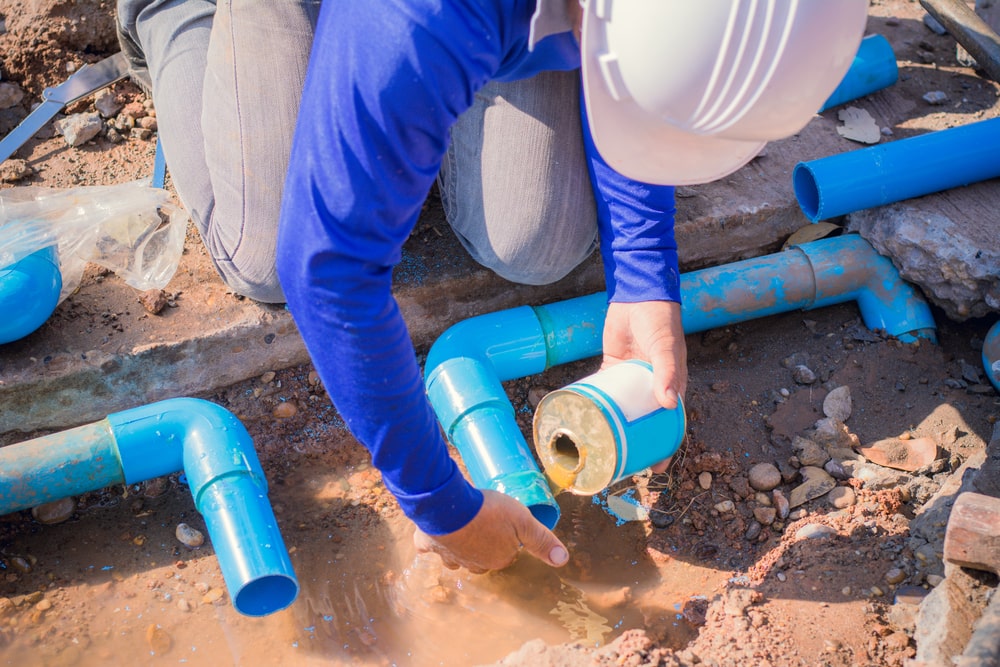
Professional waterline replacement & repair can address these concerns before they lead to major water loss or property damage. A technician may use pressure testing, electronic leak detection, camera inspection, or other diagnostic methods to identify the location and severity of the problem.
Repair is often suitable when the damage is limited to a specific section of pipe. Replacement may be more practical when the line is severely deteriorated, has multiple leaks, or has reached the end of its useful life. The best approach depends on the pipe material, installation depth, soil conditions, local regulations, and the overall condition of the line.
Modern replacement methods may also reduce disruption. In some situations, trenchless techniques can minimize excavation by using existing access points or creating smaller entry areas. These methods are not suitable for every property, but they can be worth discussing with an experienced plumbing professional.
The Importance of Well-Maintained Sewer and Gas Lines
Two of the most important utility systems in a property are the sewer line and gas line. They serve very different purposes, but both require careful installation, inspection, and maintenance.
Sewer lines carry wastewater away from the home. When they become clogged, cracked, or collapsed, homeowners may notice slow drains, foul odors, repeated backups, gurgling toilets, or wet areas near the sewer route. A minor blockage can sometimes be cleared through professional drain cleaning, but recurring problems may point to a deeper structural issue.
Gas lines, on the other hand, supply fuel to appliances such as water heaters, stoves, furnaces, and dryers. Gas-related problems require immediate attention because leaks can create serious safety risks. A rotten-egg smell, hissing sound near a gas connection, dead vegetation around an underground line, or unexplained appliance performance issues should never be ignored.
Experienced technicians who work with sewer & gas lines understand that these systems require specialized tools, careful planning, and strict attention to safety. Sewer inspections may involve cameras that provide a view inside the pipe, helping identify root intrusion, cracks, grease buildup, or collapsed sections. Gas line work may include pressure testing, leak detection, pipe repair, or new line installation, depending on the property’s needs.
If a gas leak is suspected, leave the area immediately, avoid operating electrical switches or open flames, and contact the appropriate emergency service or gas utility from a safe location. Gas repairs should never be treated as a do-it-yourself project.
Preventive Maintenance Can Save Money
Plumbing emergencies rarely happen at a convenient time. A burst pipe, sewer backup, or failing waterline can cause damage quickly, especially when the issue goes unnoticed for several hours. Preventive maintenance helps identify warning signs before they become major repairs.
Homeowners can begin with a few simple habits. Check exposed pipes for corrosion, moisture, or unusual staining. Monitor water bills for unexplained increases. Pay attention to slow drains and recurring odors instead of repeatedly covering them up with temporary solutions.
Water filtration systems should also be maintained according to the manufacturer’s recommendations. Filters need replacement at appropriate intervals, since an overloaded filter may become less effective and restrict water flow. Sewer lines may benefit from periodic inspections in older homes or properties with a history of backups. Gas appliances and connections should be examined by qualified professionals during routine service visits.
Landscaping choices matter, too. Trees and large shrubs should be planted carefully because roots can eventually interfere with underground water and sewer pipes. Homeowners should also know where utility lines are located before digging, installing fences, or carrying out major outdoor projects.
Choosing a Plumbing Company with Confidence
Selecting a plumbing contractor is an important decision, especially when the work involves underground waterlines, sewer systems, or gas piping. Look for a licensed and insured company with experience in the specific service required. A professional business should be willing to explain the issue, discuss repair options, and provide a clear estimate.
Ask whether inspections, permits, excavation, disposal, replacement materials, and restoration are included in the quote. It’s better to understand the full scope of work before the project begins than to discover unexpected costs later.
Good communication matters just as much as technical ability. A trustworthy technician won’t pressure you into an unnecessary replacement or make promises that sound too good to be true. Instead, they’ll explain the available options and help you understand the likely benefits, costs, and limitations.
Building a More Reliable Plumbing System
A dependable plumbing system supports everyday life in ways most people barely notice. Clean water, steady pressure, safe gas service, and properly functioning drains all contribute to a home’s comfort and security.
By addressing water quality concerns, monitoring waterlines, and maintaining sewer and gas infrastructure, homeowners can reduce the risk of sudden breakdowns and expensive damage. Professional inspections and timely repairs are often far less disruptive than waiting until a small issue becomes an emergency.
Plumbing maintenance may not be the most exciting item on a household checklist, but it pays off. A little attention, regular care, and the right professional guidance can keep essential systems working smoothly for years to come.