Landscaping services near me
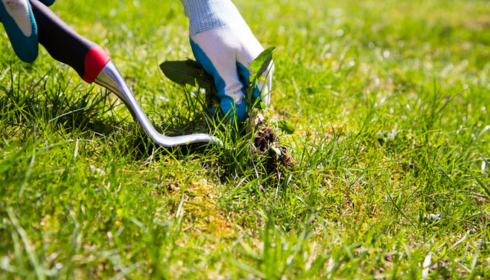
Unexpected weed flare-ups often begin in small patches that homeowners overlook. Local landscaping companies near me understand that preventing these plants from returning requires more than surface treatments; it depends on building a lawn environment where weeds struggle to survive. Homeowners searching for landscaping near me often benefit from natural processes that strengthen soil, turf, and moisture balance without relying heavily on chemicals.
Soil Health Practices That Deter Recurring Weed Growth
Healthy soil is the foundation of long-term weed resistance. Many lawns struggle because compacted or nutrient-poor soil creates ideal openings for intrusive plants. By improving organic matter, adjusting pH when needed, and ensuring proper drainage, a landscape company can transform weakened ground into a stronger base for turf health. This reduces the chance of aggressive weeds reclaiming space season after season. Another overlooked aspect is microbial activity. Lawns with active, diverse microorganisms tend to outcompete weed seeds before they germinate. Soil enriched with compost or natural amendments strengthens this ecological balance and makes it harder for invasive growth to return after treatments.
Mulch Layering Methods That Suppress New Weed Emergence
Mulch serves as more than decoration; its layered structure creates a shield that limits weed germination. Landscaping services near me often rely on shredded hardwood, bark, or natural chips to block light from reaching buried seeds. By doing so, mulch weakens weed development at the earliest stages. Depth matters as much as materials. A thick, evenly distributed layer typically prevents seeds at the soil surface from sprouting. This natural approach works especially well around flower beds, tree rings, and areas where turf is minimal.
Moisture-balanced Lawns That Limit Invasive Plant Return
Watering patterns influence weed resurgence more than most homeowners realize. Overwatering softens the soil and creates ideal conditions for certain weeds, while underwatering stresses turf and leaves gaps. A properly calibrated moisture routine strengthens the lawn and restricts space for unwanted plants to reestablish themselves. Localized irrigation also plays a role. Systems designed to target turf rather than blanketing the entire yard can reduce moisture availability in areas where weeds tend to cluster. This encourages turf roots to grow deeper while making shallow-rooted weeds less competitive.
Dense Turf Cultivation Reducing Space for Weed Intrusion
Thick grass creates one of the strongest natural weed barriers. As blades grow denser, sunlight struggles to reach the soil, limiting germination below the canopy. Landscaping companies near me often encourage homeowners to maintain seeding schedules, proper fertilization, and mowing heights that support deep turf density. Different grass varieties also contribute to weed prevention. Hardy species with spreading growth patterns fill bare areas more quickly, leaving fewer opportunities for weeds to take root.
Seasonal Mowing Habits That Weaken Persistent Weeds
Mowing habits directly affect weed reproduction cycles. Techniques such as cutting at the right height and not removing too much of the blade at once help grass retain strength while reducing weed vigor. This balance keeps turf healthy enough to outgrow intruding plants naturally.
Frequency also matters. Allowing grass to grow too tall can give weeds enough sunlight and open space to spread, while cutting too short weakens turf and allows invasive plants to gain control.
Natural Ground Covers Creating Barriers Against Regrowth
Ground covers offer an effective and visually appealing way to limit weed resurgence. Spreading varieties like creeping thyme, mondo grass, and clover fill in open soil quickly, making it difficult for weeds to return. These plants often require less maintenance than turf and create thick mats that naturally repel intruders.
Additional benefits include improved moisture retention and soil temperature regulation. These conditions make weed germination far less likely, especially in high-traffic or shaded areas where turf struggles.
Root-zone Aeration Improving Resilience to Weed Spread
Aeration helps turf roots breathe, grow deeper, and absorb nutrients more effectively. Compacted soil allows weeds to dominate because turf cannot strengthen itself. By opening pathways in the soil, aeration supports thicker growth and reduces vulnerabilities to invasive plants.
A secondary benefit is improved water penetration. When water reaches deeper levels, shallow-rooted weeds receive less moisture, making regrowth harder.
Compost-based Treatments Enhancing Natural Weed Control
Compost enriches soil while suppressing weed populations. Its organic structure improves nutrient availability, boosts microbial life, and strengthens the turf’s overall ecosystem. As the lawn becomes more resilient, weeds lose the ability to regenerate.
Some compost blends also contain minerals that enhance soil structure. This creates an environment where turf thrives naturally without giving weeds the advantage of weak soil conditions.
Targeted Overseeding Filling Gaps That Weeds Exploit
Overseeding focuses on patchy or thin turf zones, where weeds typically return first. Introducing new seed varieties increases density and strengthens the lawn’s ability to resist future invasions. This process is especially effective after aeration, which allows new roots to establish deeper and faster.
Timing is equally important. Overseeding during seasons when growth is most active ensures better coverage and faster development, reducing any opportunity for weeds to reclaim open soil. Homeowners dealing with long-term regrowth patterns can find dependable solutions through Cora Landscape, which applies methods proven to support natural weed control.