Water has a funny way of fading into the background. We expect it to flow when we turn on the tap, fill our coffee maker each morning, and power everything from the washing machine to the dishwasher without asking much in return. Because it’s always there, most of us rarely stop to think about it.
Then one day, something catches our attention. Maybe your white towels aren’t looking so white anymore. The showerhead seems clogged even though you cleaned it recently. Your drinking water tastes a little different, or your dishes never quite sparkle after coming out of the dishwasher.
These small frustrations often seem unrelated, but they’re frequently connected by one thing: the quality of the water flowing through your home.
The good news is that your water usually gives you plenty of clues before problems become serious. Learning to recognize those clues can help you protect your plumbing, your appliances, and your family’s everyday comfort.
Water Quality Is About More Than Taste
Many homeowners judge their water by one simple question: “Does it taste okay?”
Taste certainly matters, but it’s only one part of the story.
Water affects almost every room in the house. It runs through your water heater, fills the washing machine, powers your dishwasher, flows through every shower, and reaches every faucet multiple times each day. If something about that water isn’t quite right, the effects spread much further than your drinking glass.
Sometimes those changes happen slowly enough that we stop noticing them until someone else points them out.
The Small Clues Are Often the Most Important
Water problems rarely begin with a major plumbing emergency.
Instead, they quietly appear in everyday life.
You might notice soap doesn’t lather the way it used to. Bathroom fixtures become harder to keep shiny. Glass shower doors collect cloudy residue more quickly, and cleaning products don’t seem as effective as they once were.
These little inconveniences can easily become part of your routine, yet they’re often early signs that your home’s water deserves a closer look.
Paying attention now can prevent much larger frustrations later.
Why scale buildup Shouldn’t Be Ignored
One of the most common signs of hard water is scale buildup.
Those white, chalky deposits around faucets, showerheads, kettles, coffee makers, and water heaters are formed when minerals like calcium and magnesium remain behind after water evaporates or is heated.
At first, the deposits mostly affect appearance. Over time, though, they begin affecting performance.
Water heaters lose efficiency because heating elements become insulated by mineral layers. Showerheads clog, water pressure decreases, and appliances must work harder to perform the same tasks.
Cleaning visible scale helps temporarily, but addressing the water itself usually provides much longer-lasting results.
Stains Often Tell Their Own Story
Not every water issue looks the same.
Some homes develop reddish stains caused by iron. Others notice blue-green marks related to plumbing materials, while sulfur odors or dark discoloration may point toward naturally occurring minerals found in groundwater.
Occasionally, homeowners also worry about staining and contamination when unusual colors, odors, or residue appear without an obvious explanation.
Although many stains result from harmless minerals, others deserve professional testing to determine exactly what’s present.
Guessing based on appearance alone rarely provides accurate answers.
Understanding the source of discoloration makes choosing the right treatment much simpler.
Every Home Has Unique Water Conditions
Water quality isn’t identical from one neighborhood to another.
Municipal treatment methods vary between communities, while private wells often reflect the unique geology beneath individual properties. Even neighboring homes can experience different water characteristics depending on plumbing materials, pipe age, or local infrastructure.
That’s why one homeowner may struggle with hard water while another deals primarily with sediment or chlorine.
Testing removes uncertainty by identifying the actual characteristics of your home’s water instead of relying on assumptions.
Finding the Right Solution Instead of a Generic One
Walk through any home improvement store, and you’ll find shelves filled with products promising cleaner faucets or better-tasting water.
Some help temporarily, but many only address symptoms rather than underlying causes.
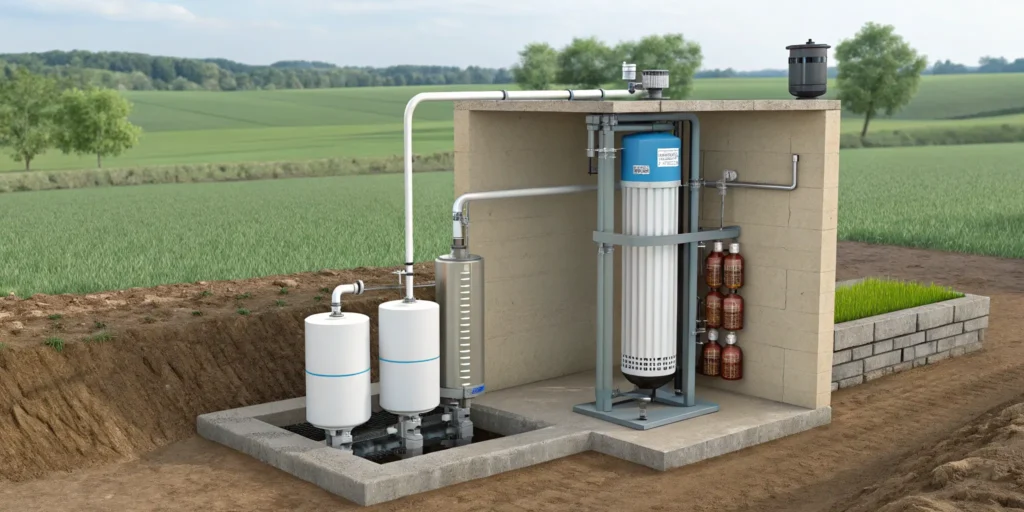
Long-term improvement usually comes from selecting treatment based on actual water conditions. Depending on test results, homeowners may benefit from softening, carbon filtration, ultraviolet disinfection, reverse osmosis, sediment removal, or combinations of multiple technologies.
Modern filtration and purification systems are designed to solve specific water challenges rather than offering one universal answer.
That personalized approach often delivers better performance while avoiding unnecessary equipment.
Better Water Protects Your Home
Improving water quality isn’t simply about comfort.
Cleaner water also helps protect expensive household investments.
Water heaters operate more efficiently with fewer mineral deposits. Dishwashers and washing machines experience less internal scaling. Plumbing fixtures remain cleaner, and appliances generally require fewer repairs over time.
Considering how much major appliances cost today, reducing unnecessary wear can represent significant long-term savings.
The benefits accumulate quietly year after year.
Small Changes Make Everyday Life Easier
Many homeowners expect dramatic transformations after improving water quality.
In reality, the changes are often subtle—but remarkably satisfying.
Soap rinses away more easily. Laundry feels softer. Shower doors stay cleaner longer. Glassware comes out clearer after each dishwasher cycle, and routine cleaning becomes noticeably less frustrating.
None of these improvements completely change your lifestyle, yet together they create a home that feels easier to maintain.
It’s amazing how much difference better water can make without demanding constant attention.
Listening to What Your Water Is Saying
Your home’s water communicates more than most people realize.
Cloudy glasses, stubborn stains, mineral deposits, unpleasant odors, and declining appliance performance aren’t random inconveniences. They’re signals worth paying attention to.
Instead of masking those symptoms with stronger cleaners or replacing appliances more frequently, understanding the quality of your water allows you to solve problems at their source.
That’s ultimately what makes water treatment such a valuable investment. It doesn’t simply improve one faucet or one appliance—it supports the entire home.
When your water works the way it should, everything connected to it works a little better too. Over time, those quiet improvements add up to cleaner living, easier maintenance, and greater peace of mind for everyone under your roof.